Happy Snap #16 VFL Car Park

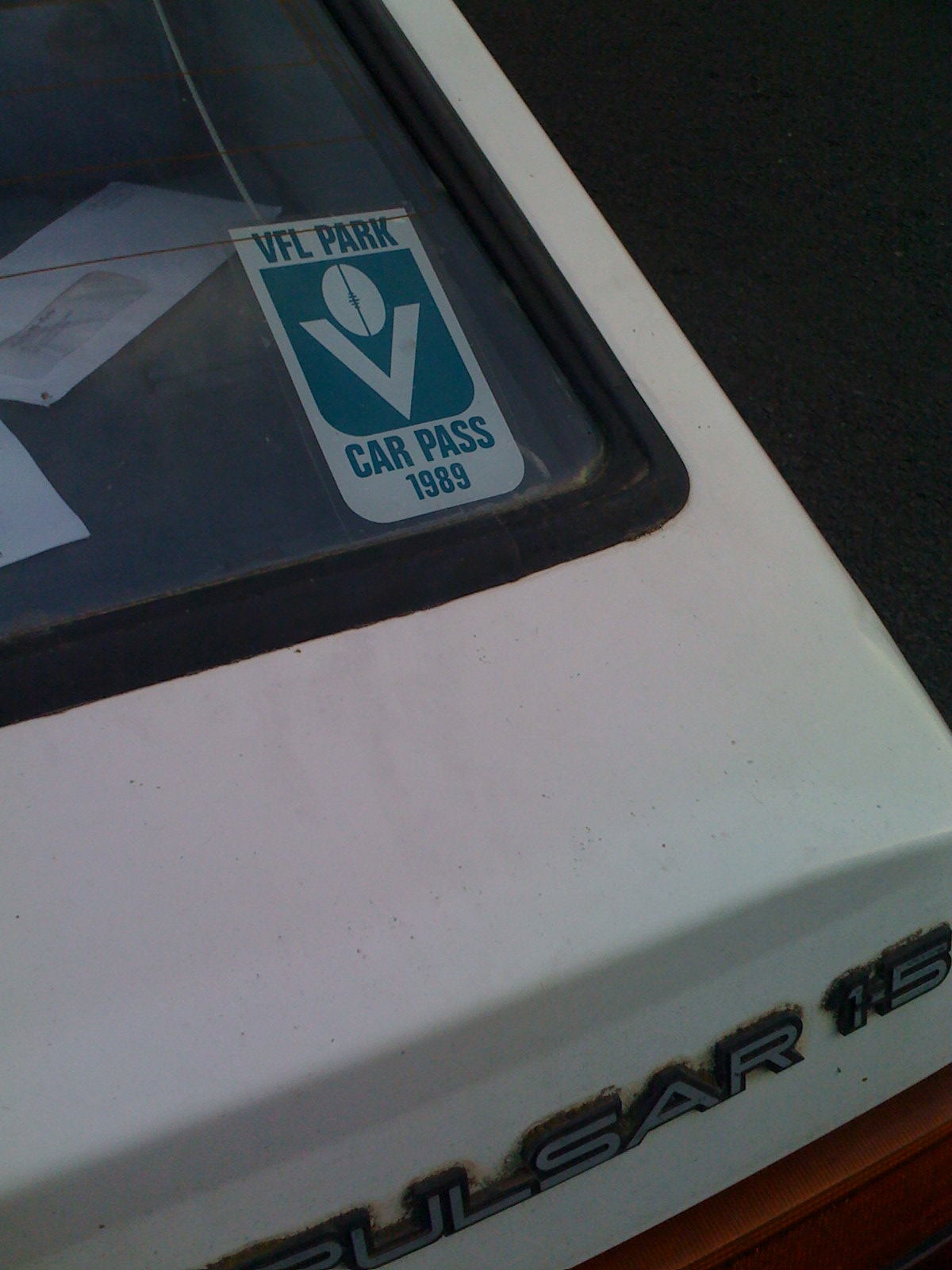
This car used to be parked across the road from us and I passed it a million times. Then one day I thought….why not take a photo.

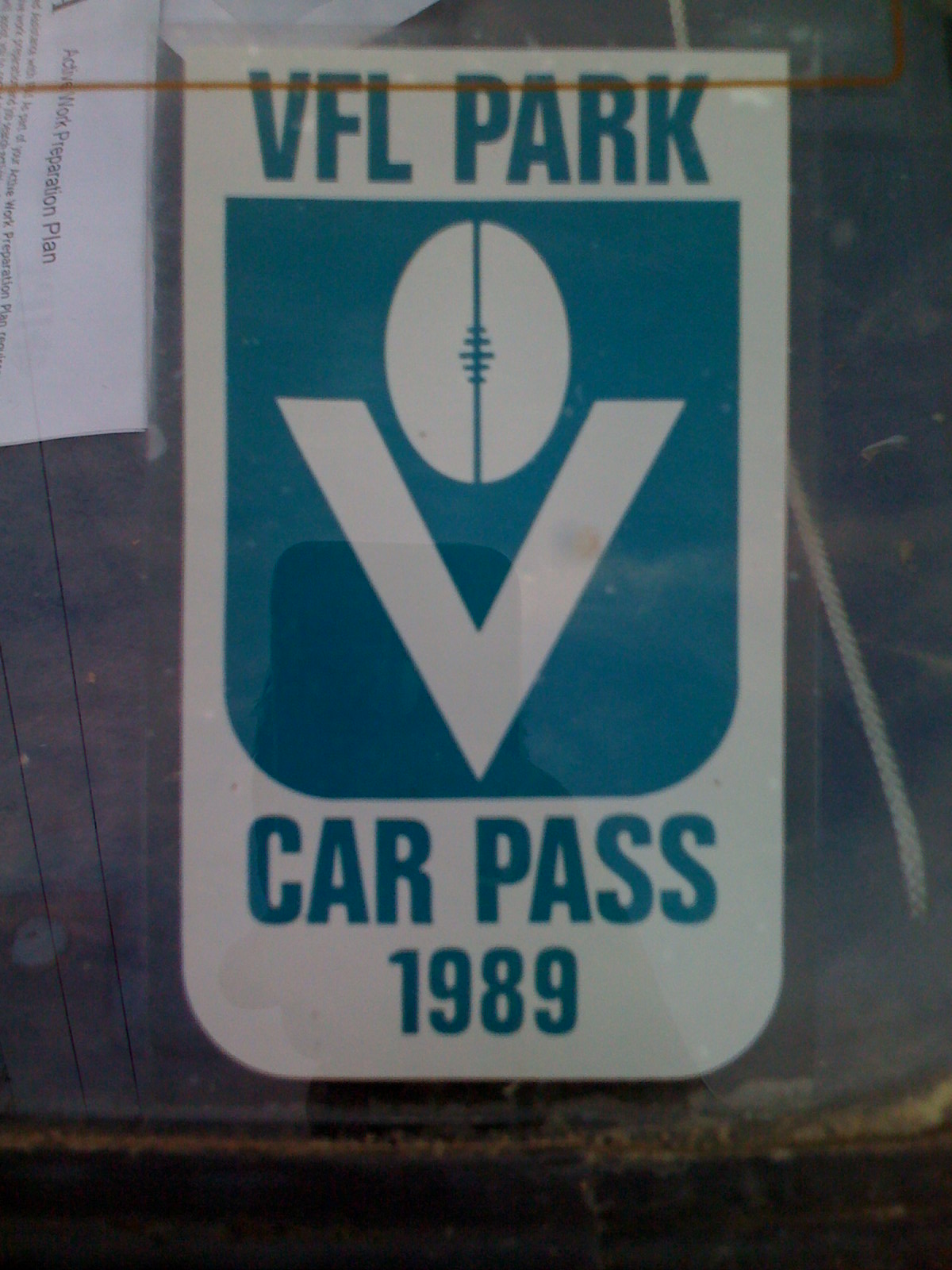
Not only is it a Nissan Pulsar from the late 80’s, this little sticker allowed entry into VFL Parks car park, either of two exits! What was missing was the ‘enter at risk of not getting out again before tomorrow’ slogan which we came to know so well.

The clutter of Football – AFL (Advertising Football League)

I am both a realist and a  romantic. How these two coexist I am not sure. I want to briefly take a look at advertising in football. I’m no expert on such matters, so I’ll try and make my point in a more visual way.

Advertising. It is here to stay, not just in football but in life, and it’s very hard to escape it. And not all advertising is evil, that’s not the path I am taking. But at times it can clutter your life.

Not so in Sao Paulo however. This city of 11 million has been without public advertising for five years now, and in a 2011 government survey it was found that 70% of its residents had found the change beneficial. Whilst the situation is not perfect, an issue I am not delving into here, the lack of “visual pollution” is said to have had a positive impact on the people. Click here to see a great before and after video.

Sao Paulo image from http://slorker.com/sao-paulo-a-city-without-advertising/

Much like we Melbournians understand what it is to “meet under the clocks,” one Sao Paulo resident said that “My old reference was a big Panasonic billboard, but now my reference is an art deco building that was covered by the massive sign.”

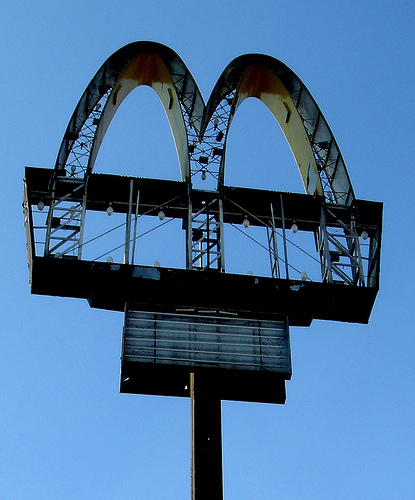
So football. As I said, I’m a realist. Should a club nobly knock back all advertising, they would cease to be competitive and go broke quick. But when is enough, enough? There was a time when the Sherrin itself was thought to be sacred, until the Golden Arches found their way onto the leathern sphere. “Challenge on a ball? What do you think?” went the Crackers Keenan ad. Club guernseys too were once pure from advertising. Who’d have thought that Carlton, the famous old dark blues, would have colours such as red and yellow splashed over their famous old jumper? But it’s reality.

So things won’t change, but it’s also good to be aware of just how cluttered the modern game has become with advertising. New substitute rule? Subway Subs. How many Carlton Draughts has Gary Ablett had? You get the picture.

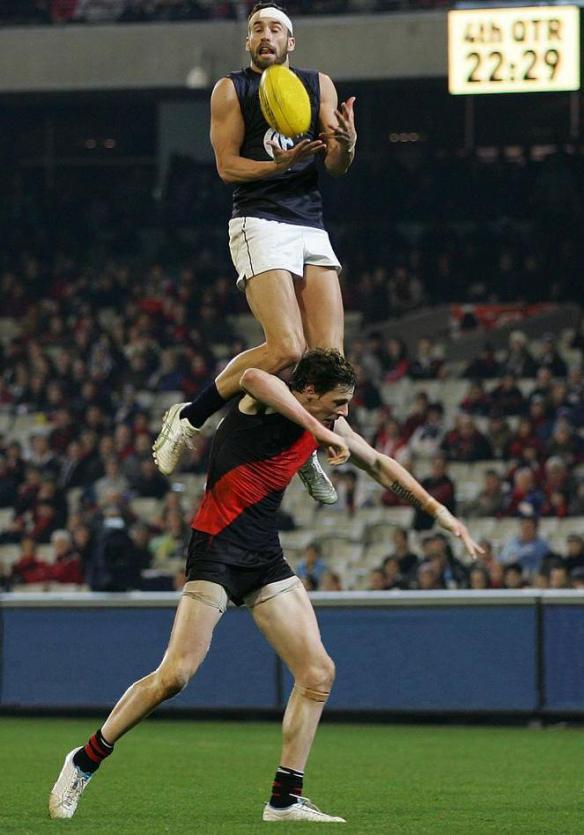
Here are two famous Carlton marks. Andrew Walker’s screamer has had up to 12 advertisements removed and to my eye now has a purity to it. And below, well I’ve just had some fun in adding some advertising to Jezza’s famous speckie!

And finally, a short visual presentation on the saturation of advertising in football today. It’s good to be aware of the “visual pollution.” Digital alterations done by mine own fair hand.

Original images from…
Andrew Walker mark – http://www.sen.com.au/site/_content/article/sp00040292-image.jpg
Dustin Martin – http://images.theage.com.au/2012/04/14/3219657/AFL-20Richmond-20v-20Melbourne-20Round-203-203_20120414184811693939-600×400.jpg
Josh Kennedy http://resources3.news.com.au/images/2011/04/24/1226043/996579-josh-kennedy.jpg
Jezza’s mark http://footyalmanac.com.au/wp-content/uploads/1970-GF-Jezza-shrunk.jpg
Lenny Hayes – http://resources1.news.com.au/images/2009/09/06/1225769/964657-afl-finals-action-week-1.jpg

Wayne Campbell & Me

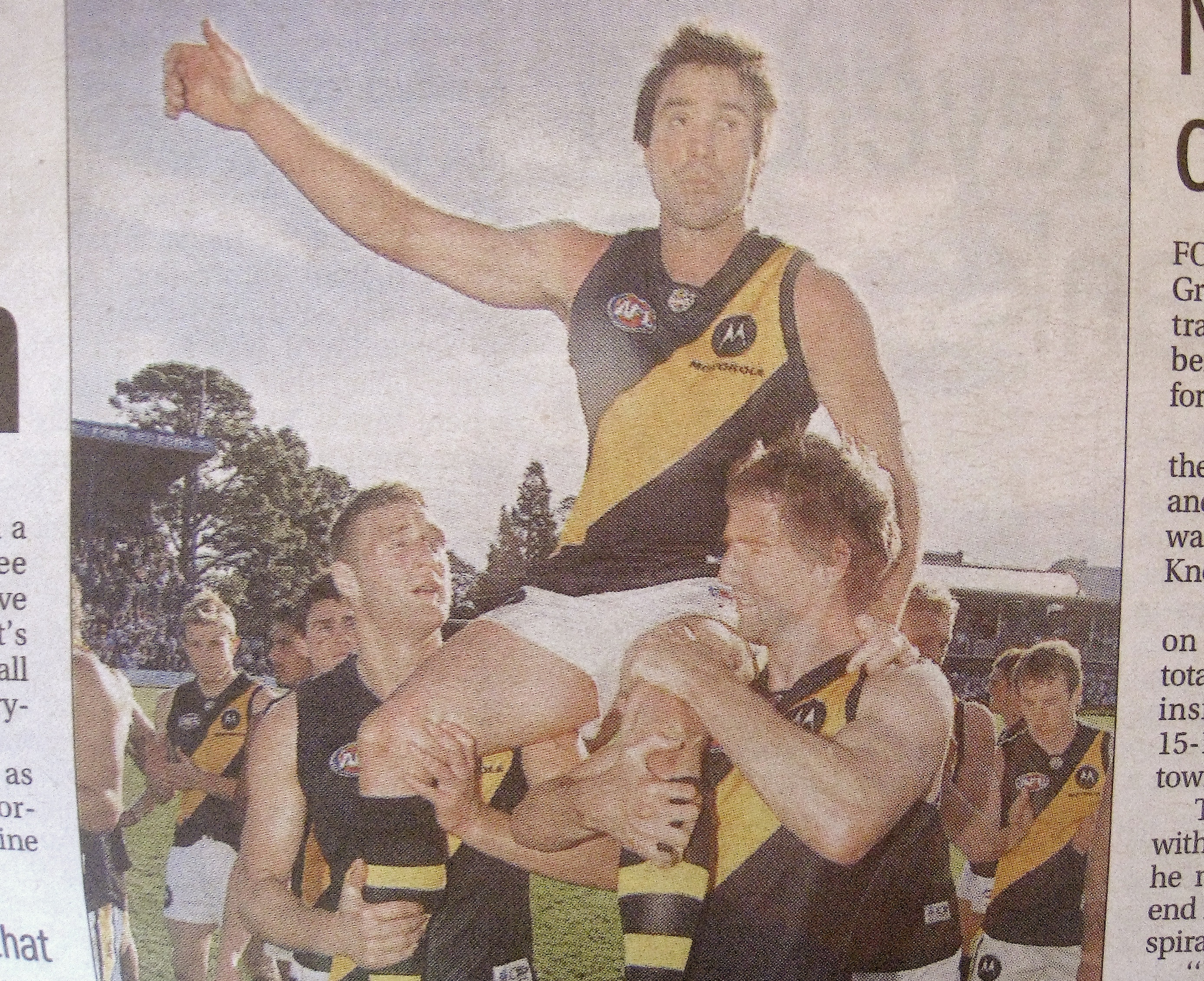
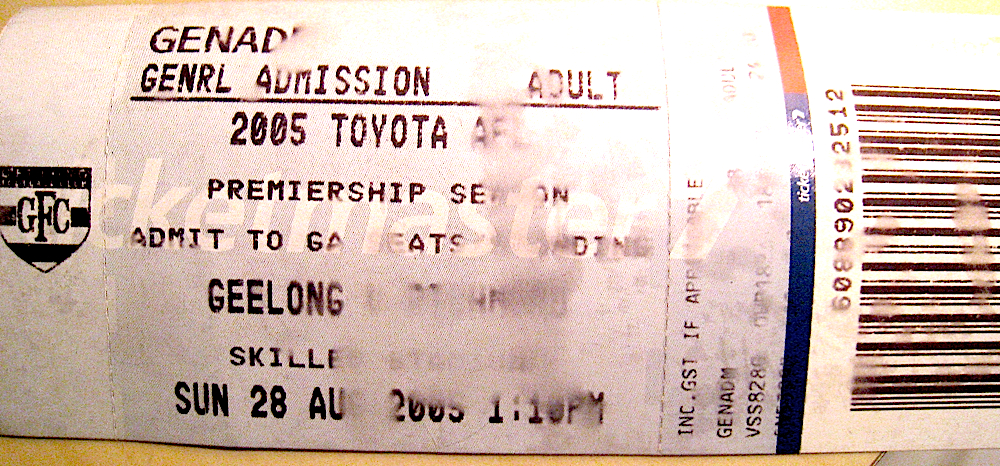
It all caught up with me. There I was with my sister and our better halves on the terraces at Kardinia Park, in tears. It was Wayne Campbell’s 297th and final match for the Richmond Football Club, and the only occasion that the emotions have gotten the better of me at the footy in the form of tears. There were a number of factors involved at the culmination of that match.

Firstly, there was very narrow defeat at the hands of the more fancied Geelong. We hadn’t won down at Kardinia Park since 1990, the year before Campbell debuted for the Tiges. But I’ve seen many a similar loss with no tears.

Secondly, it all came home that the much maligned Campbell had really given his all for the club, and did the honourable thing of bowing out just three games shy of the illustrious 300 figure.

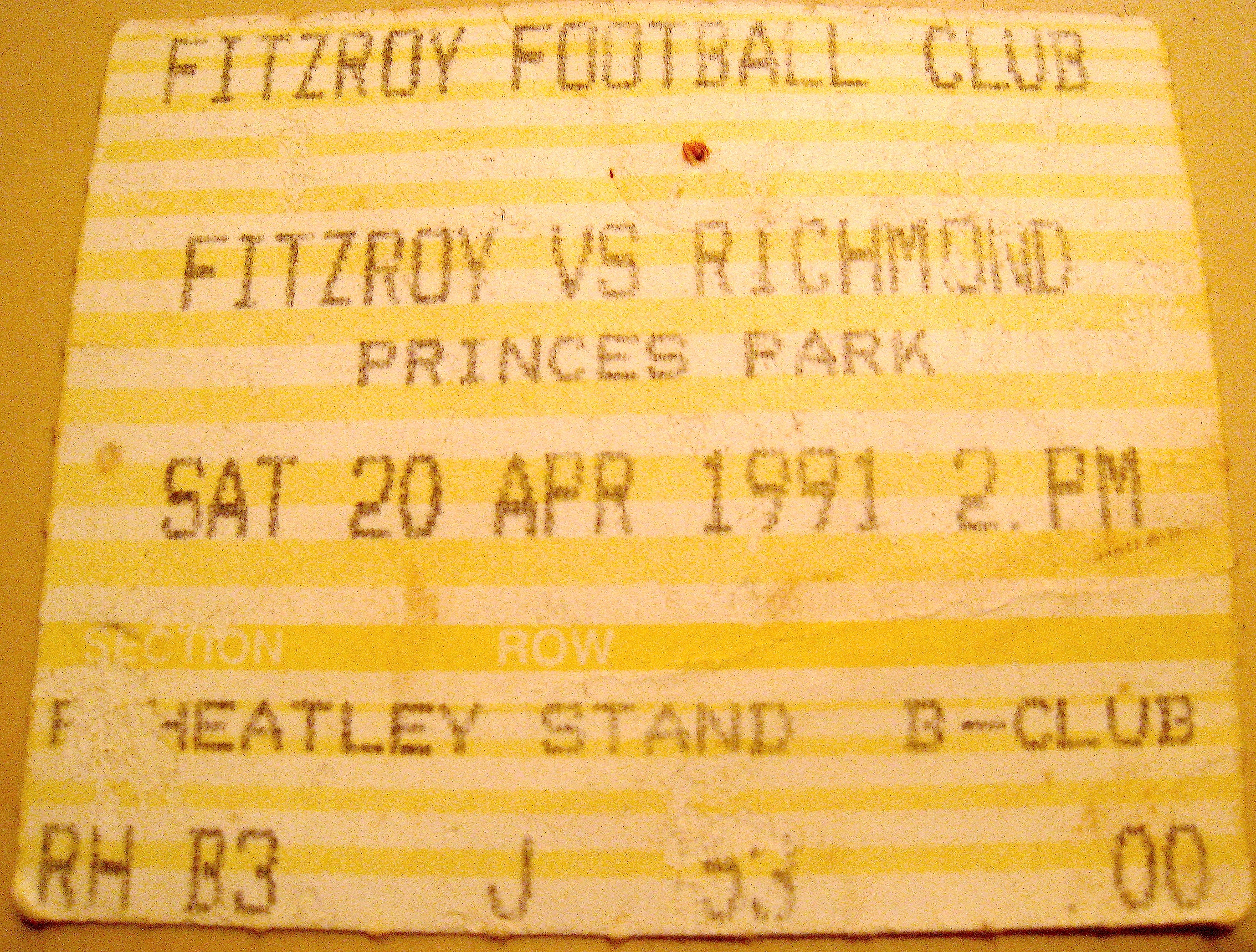
And thirdly, it made me feel old and nostalgic. Not a lot of people know this, but Wayne Campbell and I debuted for the mighty Richmond Football Club on the same day in 1991 against the old Fitzroy at Princes Park. Wayne donned the number 46 for the seniors, and I the number 6….for the little league. What a thrill.


My ticket to Wayne Campbell’s first and last matches. They don’t make tickets to last these days!

I was actually below the cut-off age to be playing, but the guy running the Laburnam Footy Clinic (pre-branding), Kevin O’Mally, told a fib about my age and got me a game. As the lone Richmond fan amongst a sea of Hawks, Bombers and Pies, he must have pitied me.

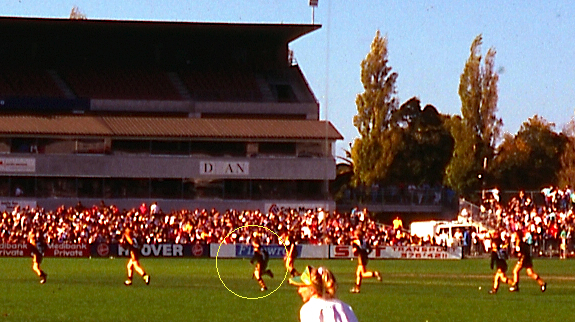
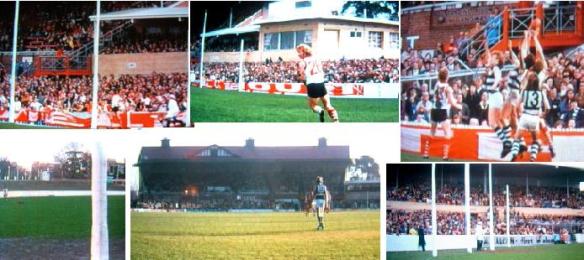
You’re going to have to take my word for it but that’s me circled, a fair bit smaller than everyone else, running from the ground having just played for the Tiges. I kicked a point with what was the only possession that I can recall having.

We were bundled up into the Heatley Stand for the first quarter and a half, me being the only one in my team who was invested in the match. We circled the boundary before half time and headed into the musty old rooms to change, where a few reserves players were still gathered. I remember hearing the roar of the crowd, and desperately hoping it was for a Richmond goal.

The match itself was a blur and I remember little other than struggling greatly with the water bottle, the likes of which I’d never used before. Coughing and spluttering ensued. As I took my place with mum and dad after ‘my’ match, I learned that they had situated themselves behind two of the most obnoxious and loud mouth Roy supporters that ever lived. Luckily we got up.

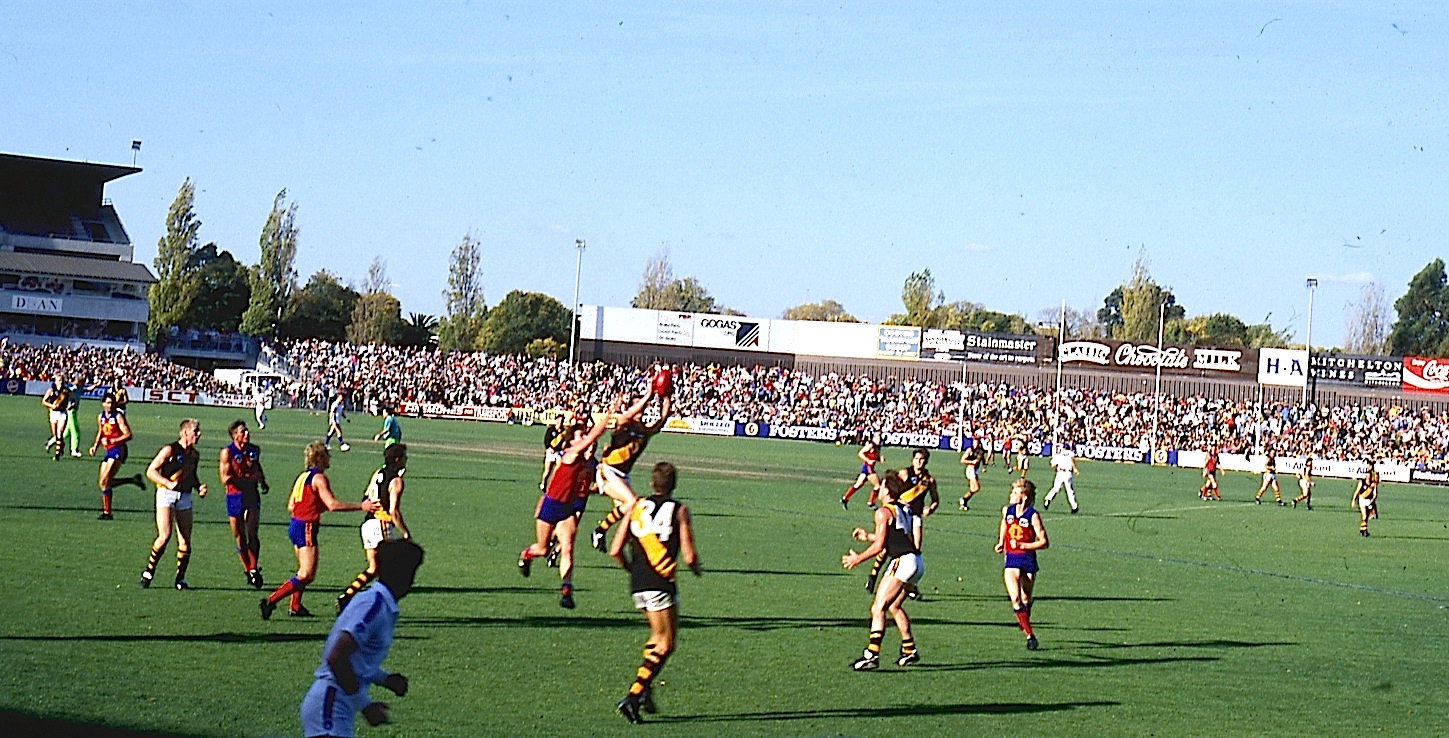
Mum took this snap from their position in the forward pocket

But back to Wayne Campbell. You can see him above in game one, positioned perfectly for the hit out from the ruckman. Number 46 remember. Reading the game and being a step ahead were clearly natural to him from day dot.

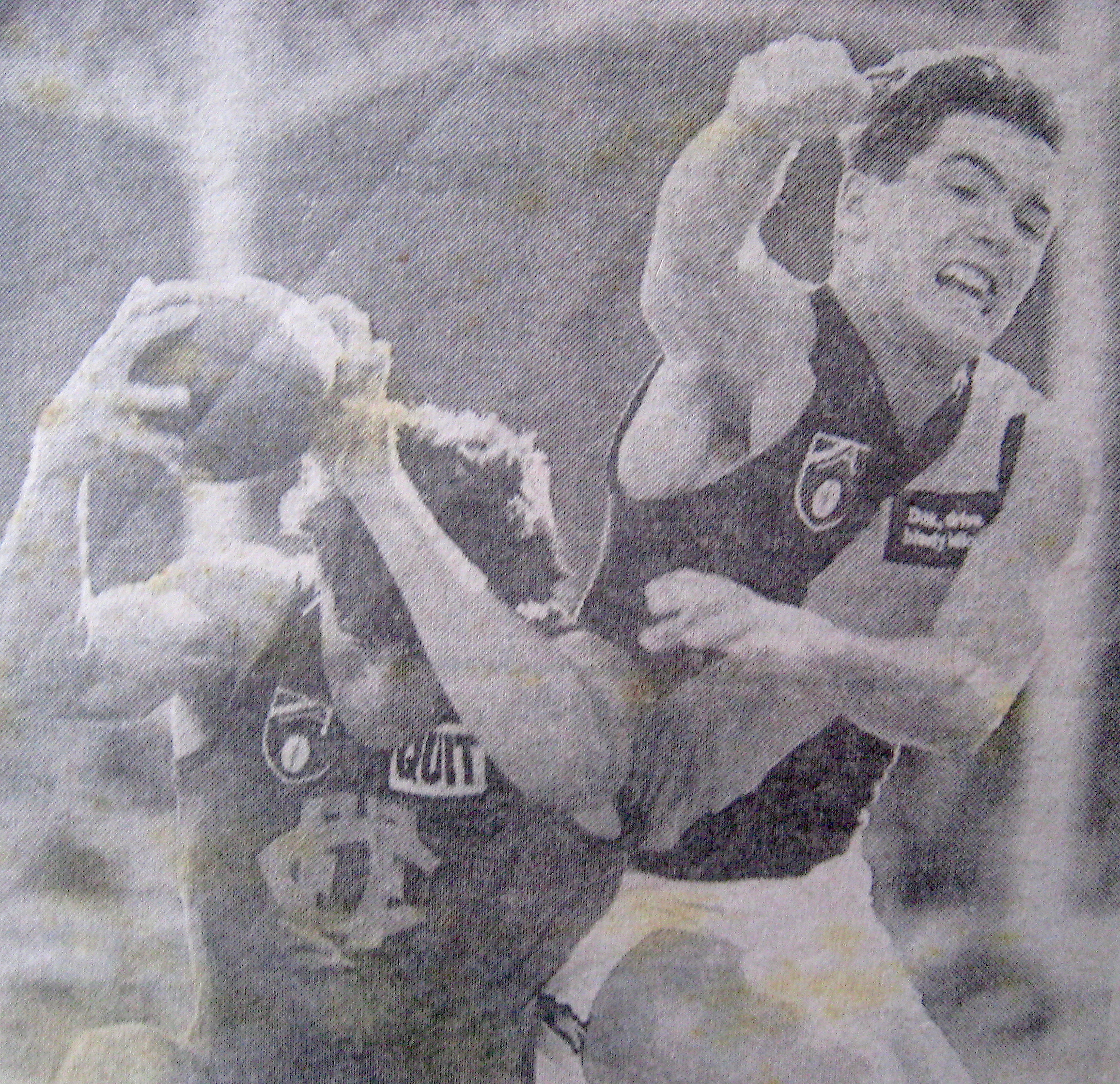
Campbell in game one attempting to spoil Brett Stephens from Fitzroy, the old Gardiner stand in the background. I didn’t get a run in the paper! (Herald-Sun, 1991)

‘Cambo’ wasn’t my favourite player, but the more I reflect on his career, the more I appreciate him. Amongst 4 club best and fairests and club captaincy, he polarised Tiger fans, for reasons I could never understand. He was instrumental in driving Richmond up the ladder in the latter part of 1994 and in 1995 he finished the home and away season as Brownlow favourite.The back end of the 1999 season saw the Tiges really struggle, but Campbell really shone at this time showing great leadership.

I thought Campbell was tough and put his body on the line, prepared to take physical punishment so as to release team mates into space. But his ‘footy brain’ was his strength, his adequate skills aided by his decision making. At times you could literally see his brain ticking over, thinking one or two moves ahead.

Yet it’s Wayne’s loyalty which I value most. He could well have left for greener pastures, and from a professional point of view, perhaps should have. But he stayed. When handed the captaincy in 2001, to the disgust of many Tiger fans given he replaced Matthew Knights, one of his first acts as skipper was to fly the flag for the man he replaced. Tony Liberatore king hit Knights behind play, and Campbell stood up against Libba both physically and with words throughout the week, breaking the ‘players code’ of silence.

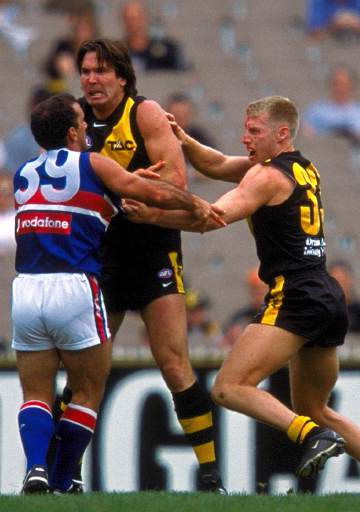
Campbell and Knights remonstrate with Libba – Image from http://oneeyed-richmond.com/history/every_dog_has_its_day/camboknighterlibba.jpg

So I cried a bit when Wayne finished up, getting to that age where I was seeing blokes retire whom I remembered playing their first games. Slowly l am getting used to that. As Campbell started his career, I still had stars in my eyes of one day representing Richmond, unable to acknowledge the slim chances that faced me.

Watching Wayne trudge off for the last time, head in hands, was like a sledgehammer reminding me that I would never make it, and it struck me how hard he had worked in his career for no success. Sometimes this game isn’t fair. Wayne Campbell, it was a pleasure having you represent my footy club.

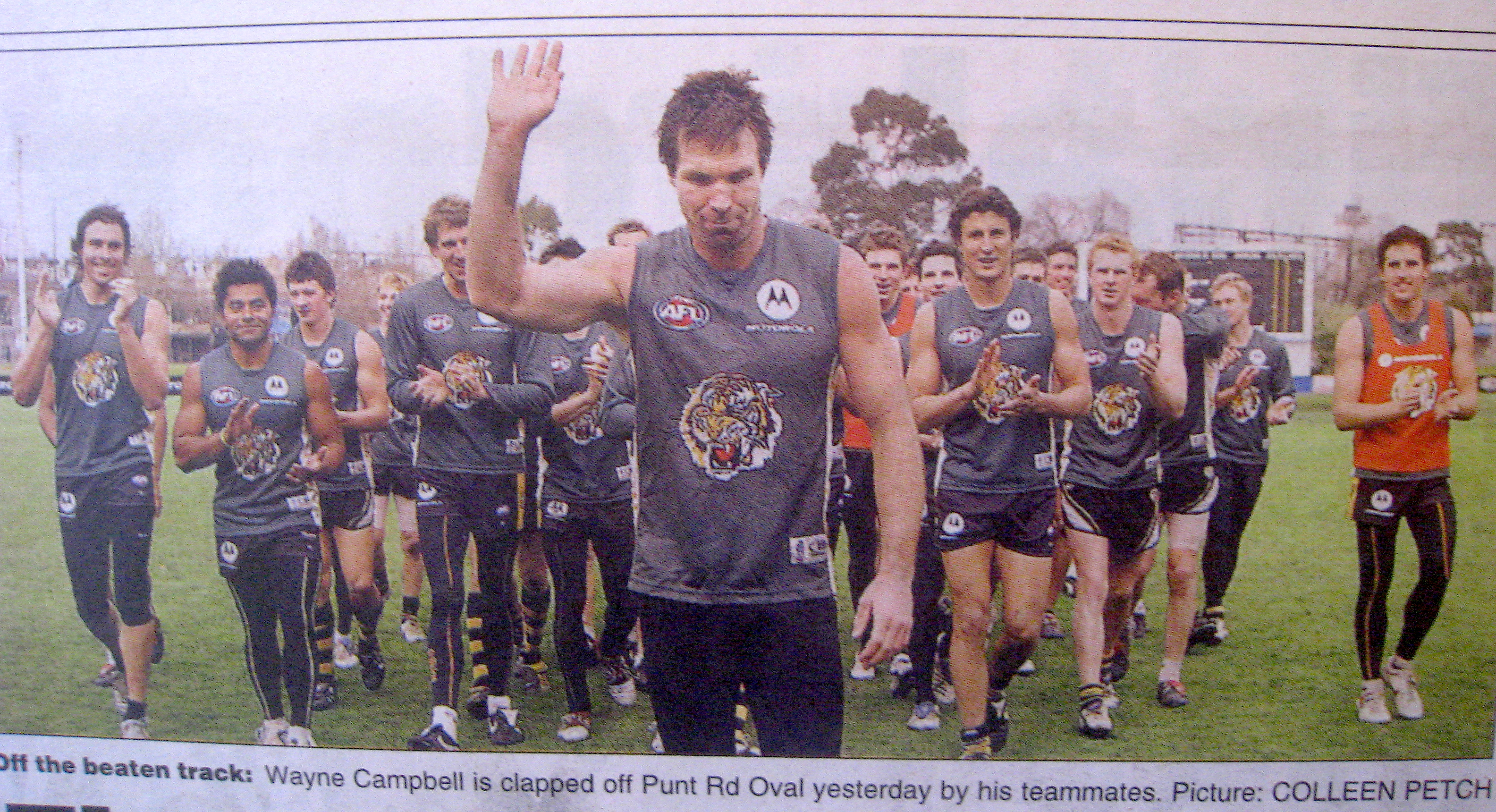
The final training session 

Happy Snap #15 Great Southern Stand

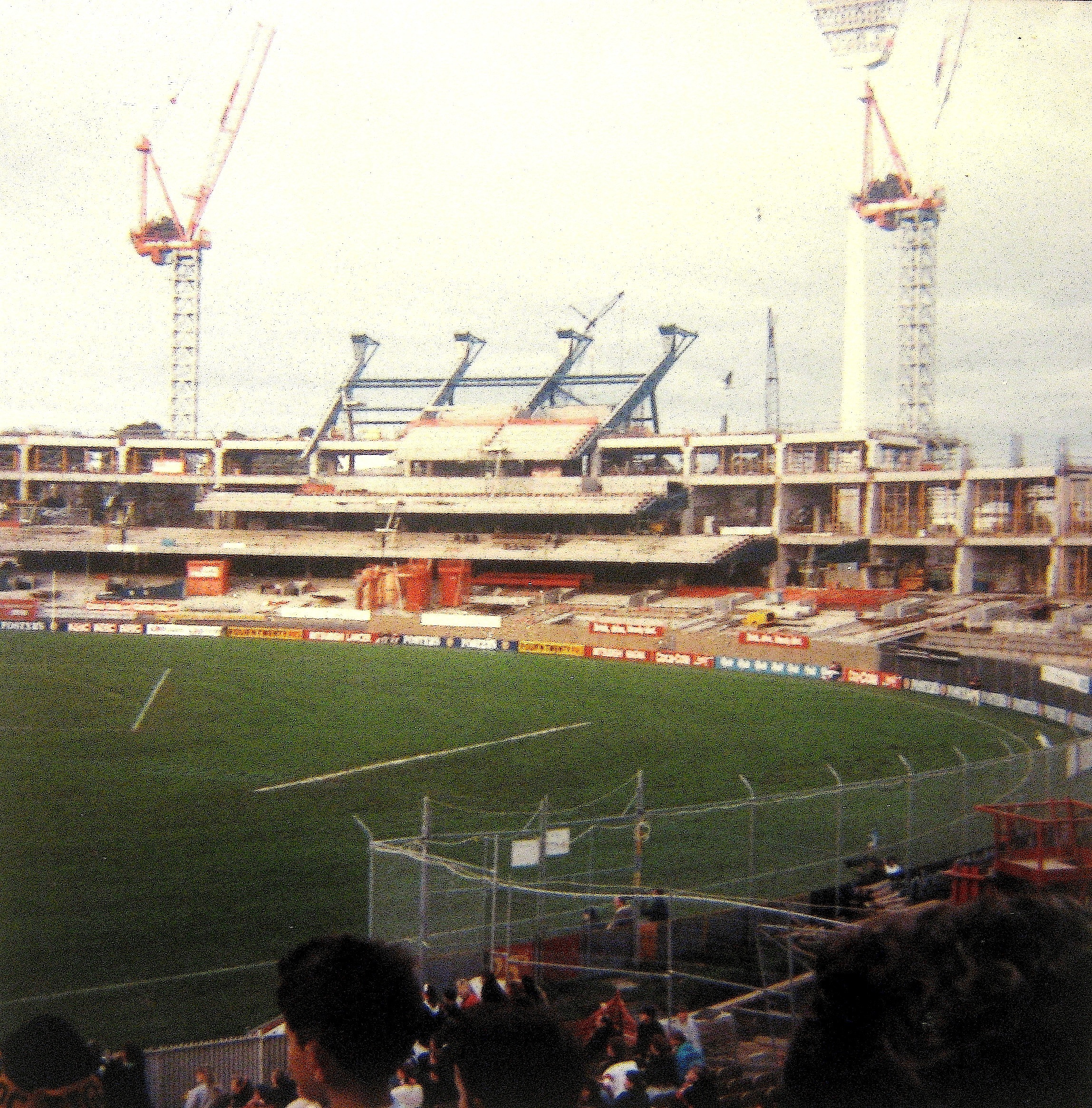
So here we have the Great Southern Stand, obviously under construction. The year is 1991, and things have changed dramatically at the ‘G from a year earlier. I can’t remember if this was the game against Sydney or St.Kilda as we sat in the same spot for both, but the focus here is clearly on the enormity of the impending structure, now looked down upon by the Ponsford, Olympic and MCC stands. And when looking at the ‘G in this 1991 state, I automatically think of the enigmatic Allan Jakovich.

And of course, who could forget Brett ‘Fruity’ Allison’s 1991 mark of the year as he stood atop Gavin Crosisca…and then kept going up! All in front of the new stand being built. Thanks for bringing this to my attention Jeff Dowsing!

Home & Away #5 Lakeside Oval

Lakeside Oval: League venue: 1897-1981. League (VFL/AFL) matches: 704 (7 finals, including 1899 & 1901 Grand Finals). Record Attendance: 40,401, South Melb v St.Kilda, 1923


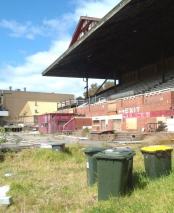
 This is part 5 in my series ‘Home & Away’, a look back at Melbourne’s old VFL grounds from a range of photos I took in the mid-2000’s. South Melbourne’s picturesque Lakeside Oval was last used as a league venue in the same year that I was brought into this world, 1981, as South Melbourne was bundled up north to become the Sydney Swans.  As such, I clearly never saw a Sherrin kicked in anger on the famous old ground. In fact I only once saw it as a footy ground before it became rectangularised, when dad took us to look around in the early 1990’s. I remember standing in the shadows of the old stand and dad being pleased that the tunnel in the outer terracing still existed. Not for long.

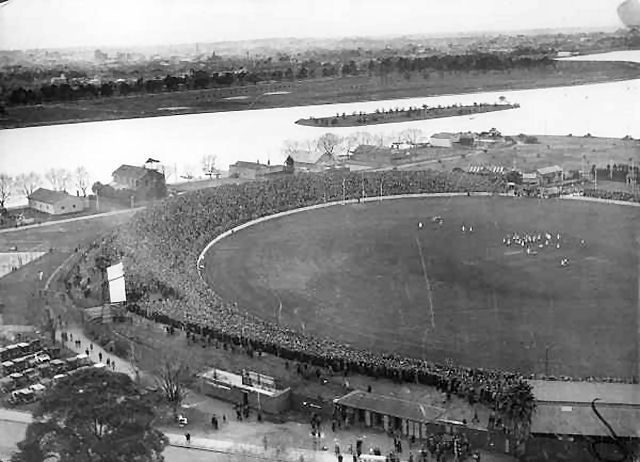
An very rare aerial shot of the Lake Oval dated between 1920-1940. Just over the back of the ground you can make out the newly planted palm trees which still standtoday. Image courtesy of http://www.austadiums.com/forum/viewtopic.php?f=1&t=1663

 I ventured down to the Lake Oval during grand final week of 2005, desperate to soak up something of the Swans past to  make relevant the impending ‘interstate’ grand final. I know that’s a very Victorian-centric mindset, but it’s what I needed to do to get myself up! Now there may have been just the old stand left, but I intended to explore it as far as was reasonable. But to set the scene, here is some old ‘Bloods’ passion which was bursting out!

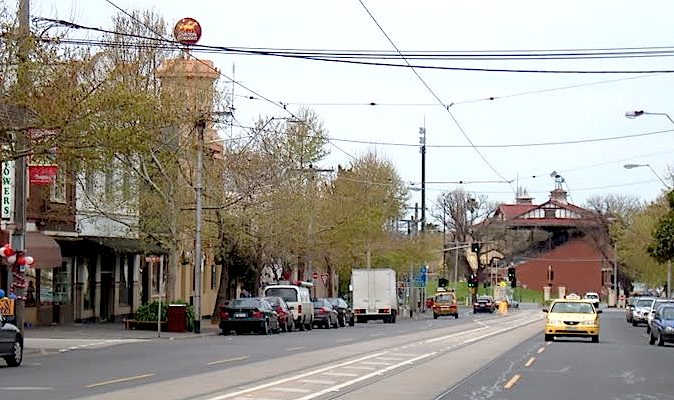
The view down to Albert Park from Clarendon Street South Melbourne is still dominated by the 1926 old red brick stand. 

 Note the car in the bottom corner? Well that was an Albert Park worker who had come to paint over this battle cry. Have they no sense of theatre?

The oval, which is now home to Athletics Victoria, has been been spruced up somewhat. The soccer pictch remains, although a runnning track around it has made for an oval  shape returning to the venue, along with the name reverting to Lakeside Stadium, having been Bob Jane Stadium for a number of years. But as I took this photo, uncertainty surrounded the future of the grandstand, which was in a state of decay. The council and park were keen to help it on its way down, the Sydney Football Club not so. A compromise was finally reached, saving the stand.

The old stand hanging onto life, and an artists impression of what has since been turned into reality. While it is no longer a grandstand as such, it is far more a part of the oval than when it looked forlornly on at South Melbourne Hallas from the old forward pocket. (The wooden blue bench seats were snapped up from the Waverley Park fire sale!)

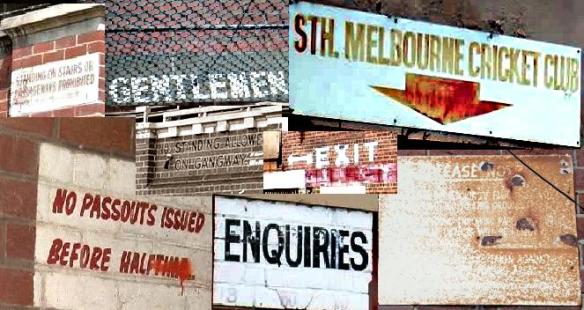
Clearly all that was left of South’s old home was the old grandstand. Luckily however there were still traces of days long gone, with various artifacts still remaining, some obvious, some well hidden. Below is a collection of bits and pieces which provides an interesting time capsual. Most if not all of these gems have since been removed with the redevelopment. Here are some fading images from yesteryear.

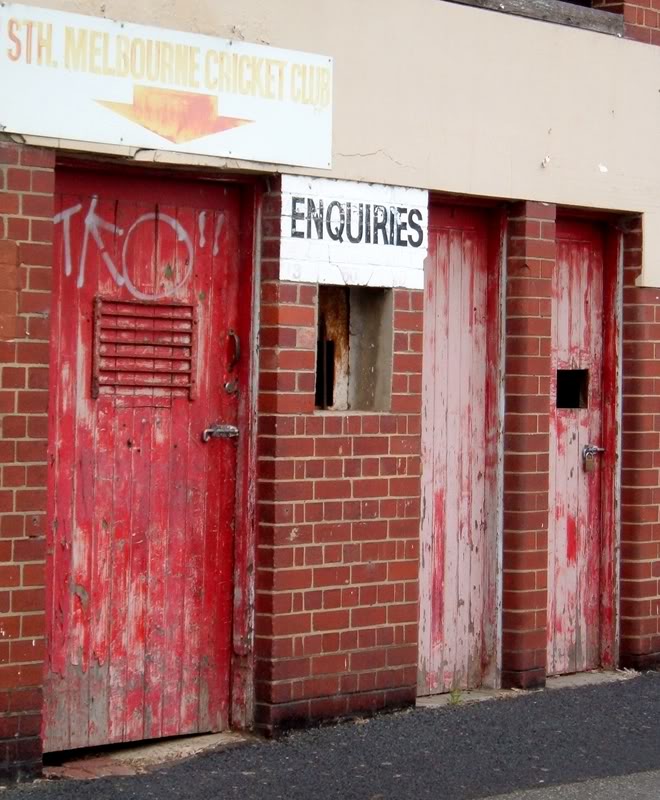
The old entrance gates and ticket boxes were obviously all locked up, though still proudly wore the fading licks of red South Melbourne paint. These doorways have been maintained in the new structure, far narrower than the modern day door!

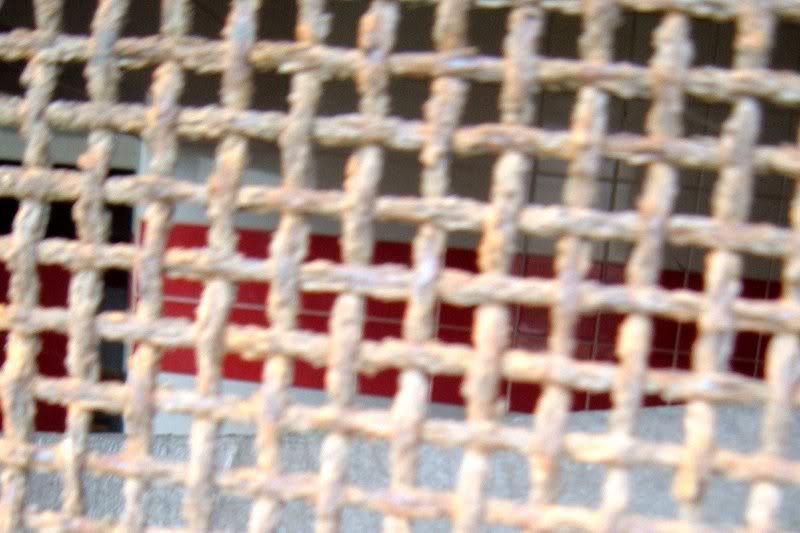
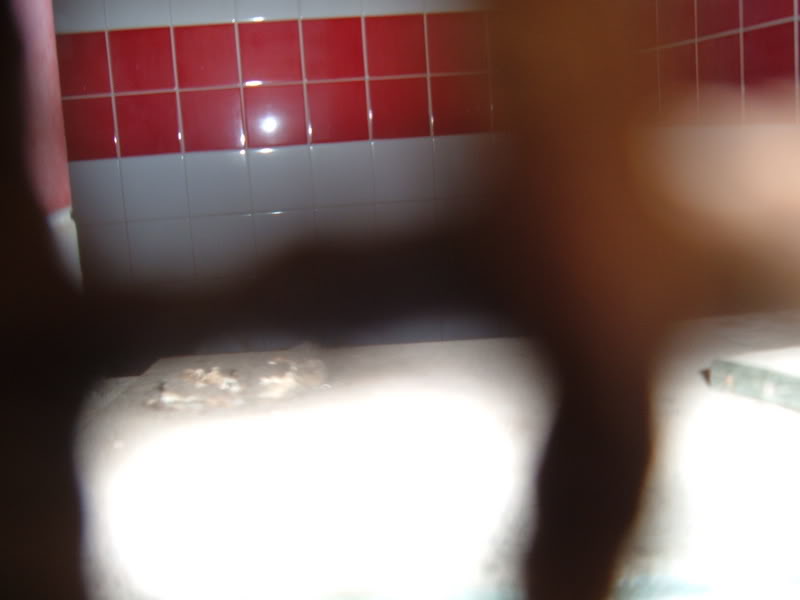
From the outside all you could see was a rusty grate and darkness. The flash of my camera revealed some lovely red and white tiling of what could only be the loos. And similarly, the photo below these was another ‘stick the camera under the dark door and see what comes out’ moment. The photo has been significantly brightened and demonstrates how unloved the stand had become.


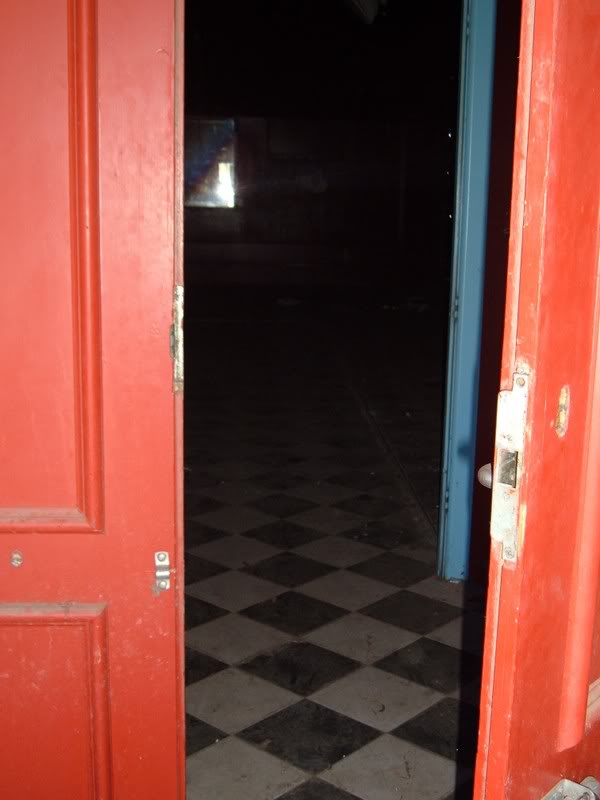
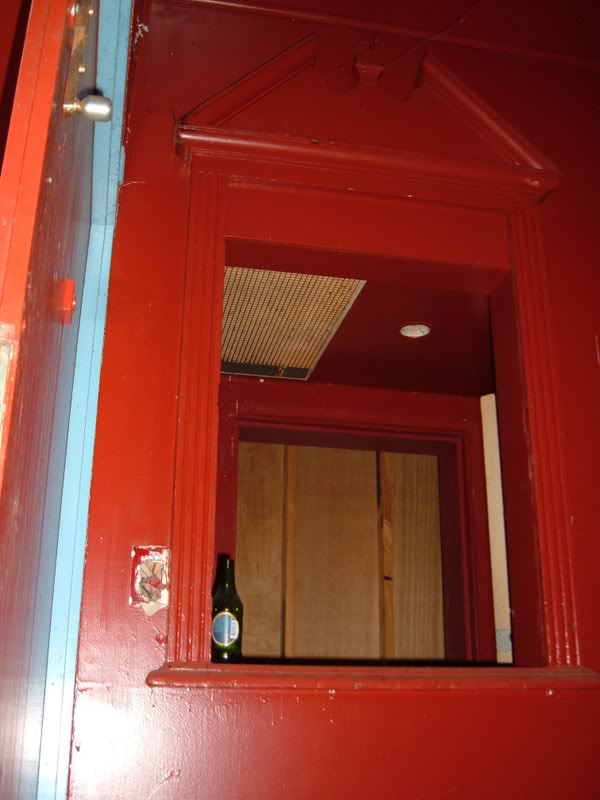
Then I plucked up some courage. There was an old door which appeared to be heavily locked. However as I fiddled around, I realised I could get it open. I simply could not tell what was in front of me it was that dark, so I quickly headed in and took a few shots with the flash. I had no idea of what or even who was in there, so I quickly departed to inspect my photos. What I found was the old nightclub ‘Redheads’, which operated well before my time but was apparantly quite the place to be!


The 1975 film ‘The Great McCarthy,’ which follows the fortunes of South Melbourne’s gun full-forward recruit from the bush, has some of the most vivid and complete shots of the old Lakeside Oval in what would turn out to be it’s final days. Here are some stills I took off the telly a while back. Also, check out the youtube clip below, where someone has bothered to take all of the best ‘lake oval’ shots and put them into one clip from said movie.

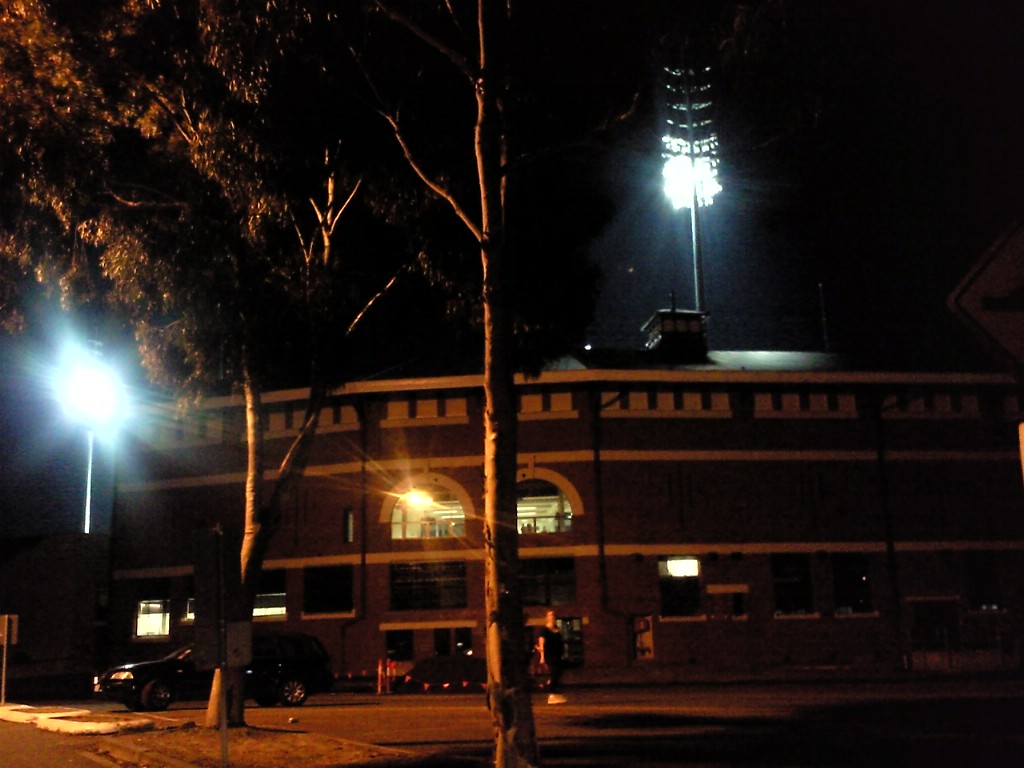
It would be remiss of me not to mention the Night Premiership or Consolation Cup played at South’s Lake Oval between 1956 and 1971. Being the only ground with floodlights, the VFL decided that the teams who missed out on the final four would play off for the ‘best of the rest’ tag under lights! My dad remembers the jubilation he felt in 1962 as Richmond ‘actually won something!’ This was the precurser to what is now the preseason competition, which has become nothing more than an annoyance to fans. But night footy in the 1950’s, though there was the odd dark pocket or four, must have been exciting for Melbournians post-war. Heck… 36,000 turned up for Carlton and North in 1965!

As I drove past recently, the lights (not original) were on at the conclusion of an athletics meet. I quickly snapped this pic to try and somewhat commemorate the old night series at the ground.
Finally, there are some other stands and grouns which share a connection with Lakeside Oval. While SANFL club Norwood’s grandstand is not identical, it is the closest stand that I have come across to South’s old 1926 red brick number. It is essentially the same design, there are just a few ‘frilly’ bits which differ.


image from http://farm8.staticflickr.com/7086/7144620767_b32f2438d1_z.jpg

And just last weekend the family and I took a trip to Maryborough, and decided to drop in on the picturesque Princes Park Oval, complete with resplendent old stand. What interested me however was a plaque which mentioned that this stand was based on South Melbournre’s 1886 stand, precurser to Souths ‘current’ stand, before it burnt down in the 1920’s. What we also noticed were the surrounding street names….Clarendon, Napier, Raglan, Albert, Palmerston, Park…all names of well known South Melburne streets. Whether a coincidence or not, it certainly felt like a little bit of old Emerald Hill as we cruised down Clarendon Street Maryborough.

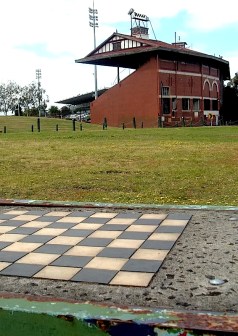
It’s often said that the coaches box can represent a game of chess, but at the old Lake Oval, you left your chess game at the entrance gate!

Make sure you check out Billy Millers wonderful videos on all the old VFL grounds.

http://www.bellestorie.com/aroundthegrounds/lakeside/video/lakesideoval_0.html

And a lovely little timelapse of the old footy come soccer ground becoming Victoria’s premier athletics track

http://youtu.be/ueC2tEygRnE

With a little help from my friends…

Football Grounds of Melbourne, Caruso, Fiddian and Main.
http://www.austadiums.com/
http://stats.rleague.com/afl/venues/lake_oval.html
http://www.majorprojects.vic.gov.au/

Happy Snap #13 Fit-Z-roy

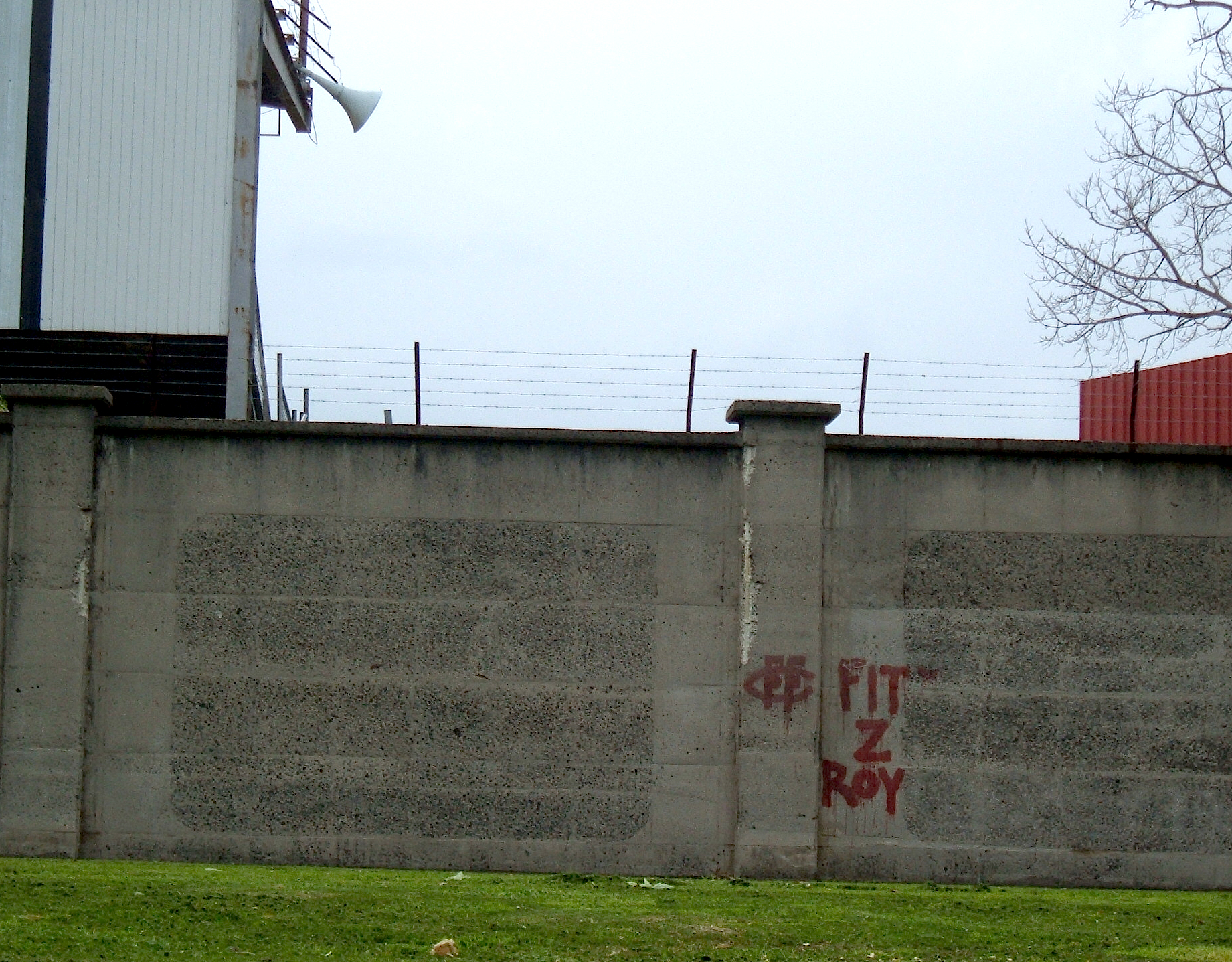
I snapped this lovely little bit of graffiti on Collingwood’s Vic Park wall back in the mid 2000’s, the Roy Boys long gone and Victoria Park in a state of decay. Most of the wall is gone, and tag most certainly gone, yet Vic Park has been spruced up somewhat and I plan to feature it in a post soon. The photo just appeals to me, the industrial, near jail-like appearance of the ground with the word Fitzroy written in such a way as to suggest Franco Cozzo was pronouncing it.. “Fit-z-roy!”

Happy Snap #11

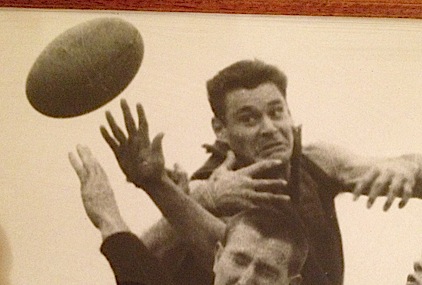
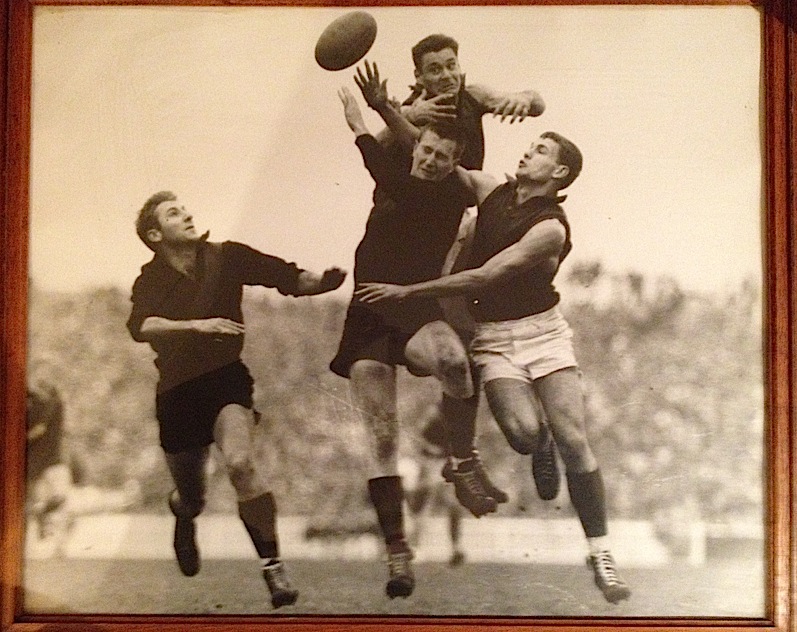
This is a picture I picked up for $5 at the Don Bosco Op-Shop in Brunswick a year or so ago. My team is not represented, but I love this photo for many reasons, and it now hangs on our kitchen wall. Why do I love it? I’m glad you asked.

Firstly, the old boots. But it’s not just that, it’s the the old, uncluttered woolen jumpers, the old picket fence with no advertising to be seen and the punters standing in the outer. This is a shot from an Essendon v Melbourne match at the old Windy Hill oval. The fact that Barassi (top) played at Melbourne between 1953-1964 places this picture somewhere during that period.

Barassi’s face in fact is what really demands my attention in this photo. You can wax lyrical about his career, but in this single moment you can see all you need to see. Who in this pack of players wants the ball the most? To me, it is clearly Ron. Though out of position, a quick look into those steely eyes suggests he may well have won the contest, or at the very least made life difficult for whoever won the ball. It was in this manner that Barassi continued throughout his career as a player, captain and coach, having a hand in no less than 8 premiership victories.

I am unsure who the surrounding players are, and would appreciate if anyone had any information on who they may be. Purely for interests sake.

Thank you


Book Review #4 A run through of Runthroughs

Take an international guest to a game of Australian football and there are some key attributes that will grab their attention. One is the immense size of the ‘pitch’ or ‘field’, or that there appears to be no rules. Opposition fans sitting together can raise an eyebrow, as do the goal umpires! Though no longer in overcoat and wide brimmed hat, they’re quirky all the same. Then there is the run-through banners.
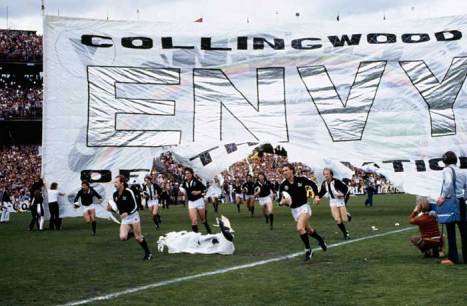
Collingwoods 1980 Grand Final team crashes through the runthrough banner- http://www.naa.gov.au/about-us/media/images/1980-cabinet/vfl.aspx 

The creation, proud raising and then systematic destruction of large run-through banners made of crepe paper is truly a unique facet of the Australian football experience. This brings me to the purpose of this post…to review the book ‘A Run through of Runthroughs, VFL Cheersquads and their Banners.’ I was prompted to review this book after scoreboardpressure.com’s Vin Maskell reminded me of it, having been inspired by a short fictional video on the inner workings of a league club cheersquad.
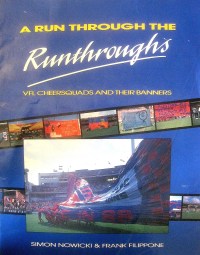
This book, put together by Simon Nowicki and Frank Filippone (published 1988), captures the essence of banners in Aussie rules, from humble beginnings in the early 1950’s through to the grandiose designs of the extravagant 1980’s. And what football book is complete without a forward from Louie ‘The Lip’ Richards, who recognises that cheersquads ‘keep the crepe paper makers in business.’

I got my hands on this book in 1991 for my eleventh birthday. I know this because it is scrawled inside the front cover. I was truly mesmerised with the book; I guess as a Richmond supporter it was important to form a well-rounded appreciation of the winter game. So flags, floggers and banners certainly caught my eye in my formative footballing years.
‘A run through of runthroughs’ is broken down into sections, which sees all type of banner on display. From banners recognising players milestones or club sponsors to banners focussed on opposition weakness, political and social comment, the book moves much like a football season, culminating with a section of finals banners, followed with the big one, Grand Finals.

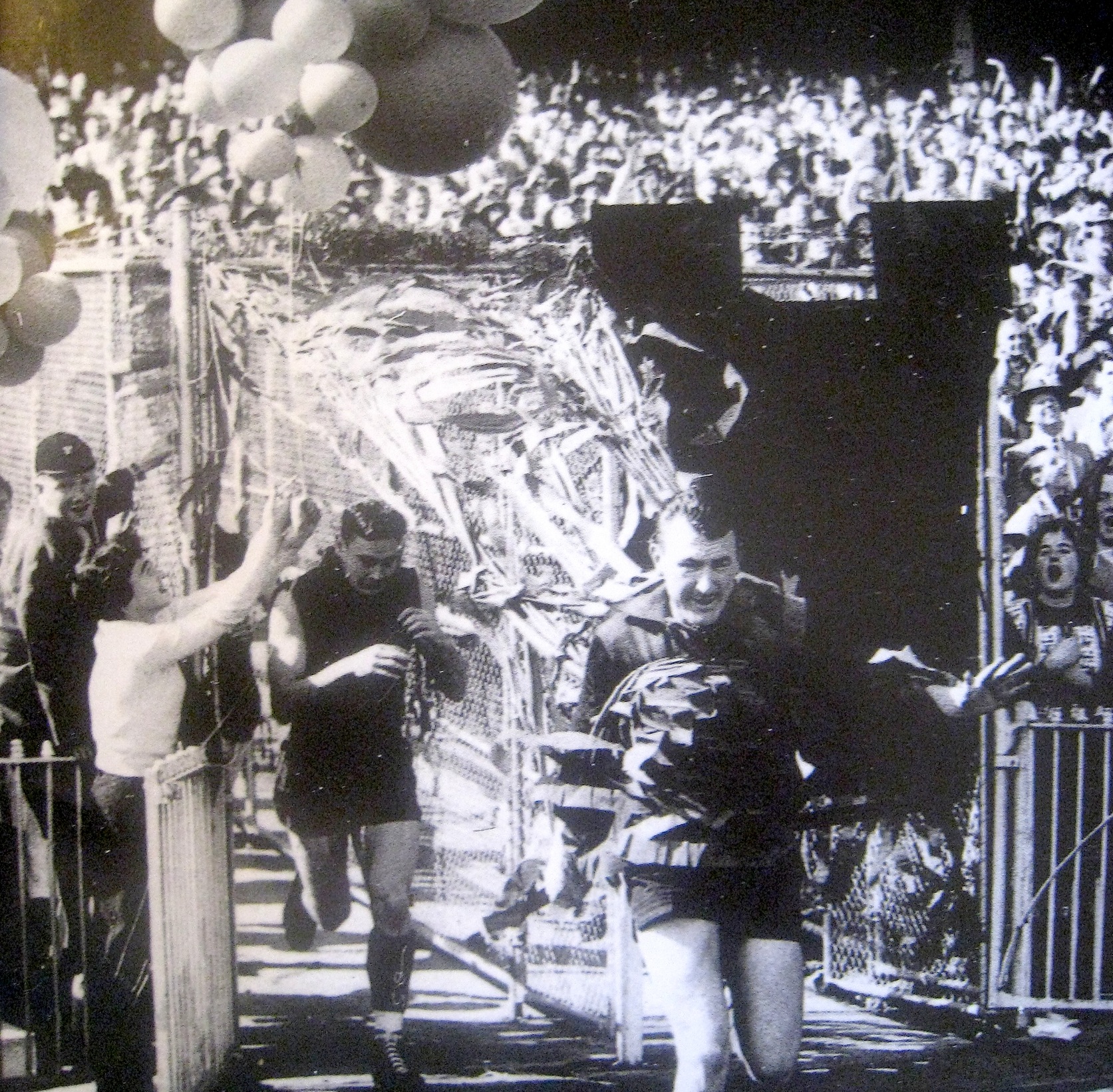
But first to where it all began…back to the days of black and white photography. With streamers covering the players race as the Red Legs take the field in the 1957 Grand Final, Ronald Barrassi is the player ducking the streamers, perhaps the first player to superstitiously avoid the runthrough banner?

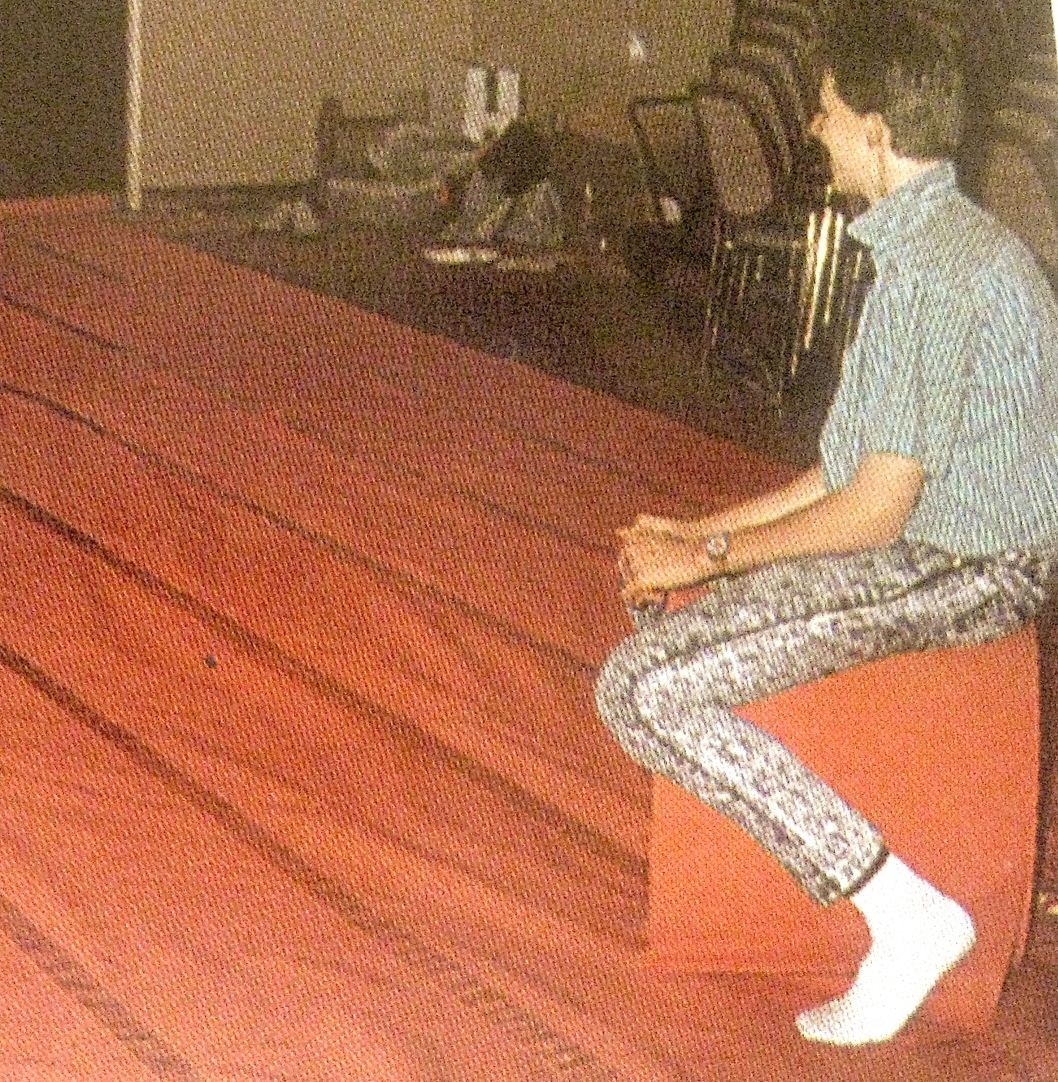
As a banner must be created before match day, and the book takes us behind the scenes to some banner making sessions. Cheersquads used the bellies of grandstands, town halls, sporting halls… anywhere where they could find the space to accommodate the sheer banner size, displayed somewhat in the below photographs.

Keeping the crepe paper industry in business
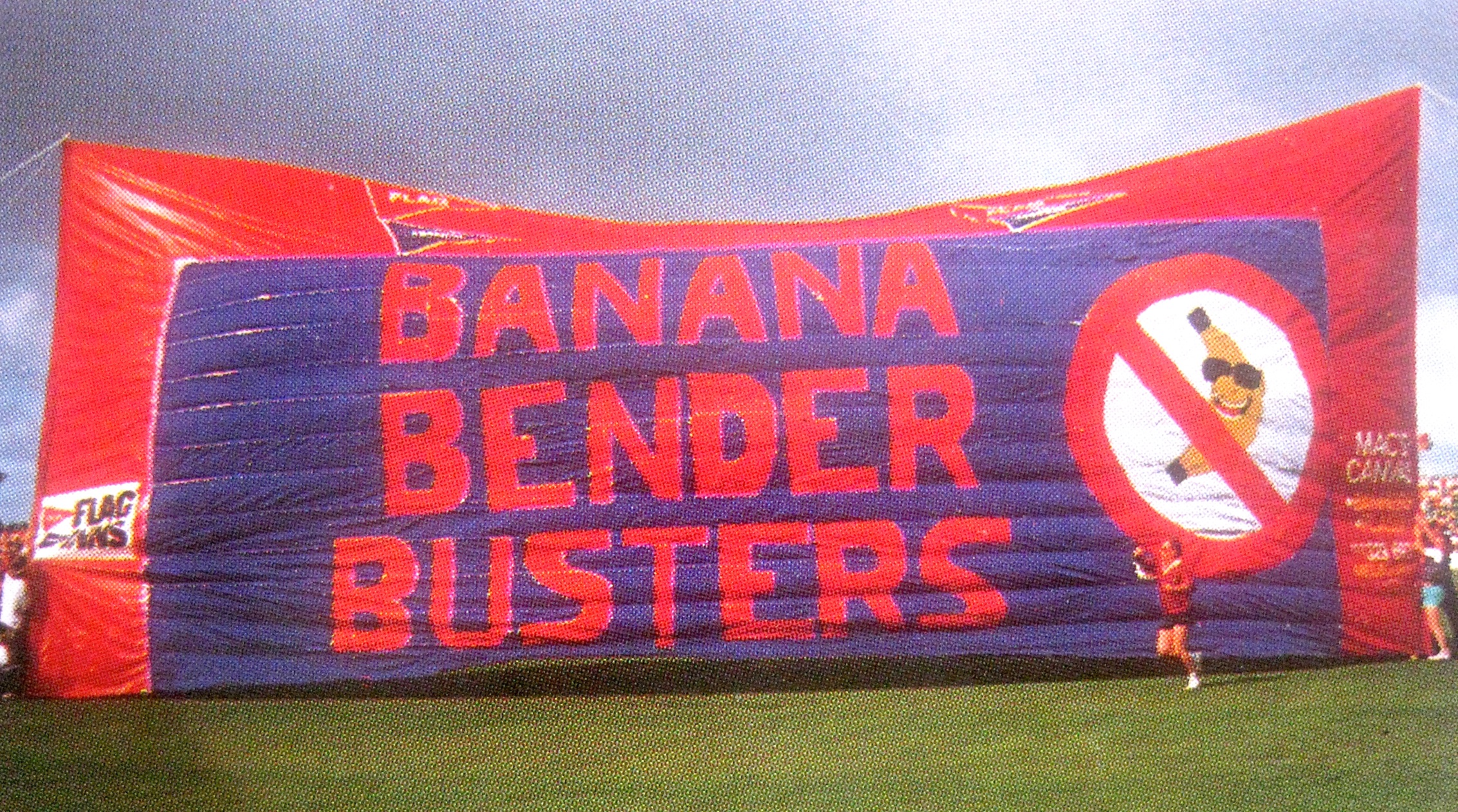
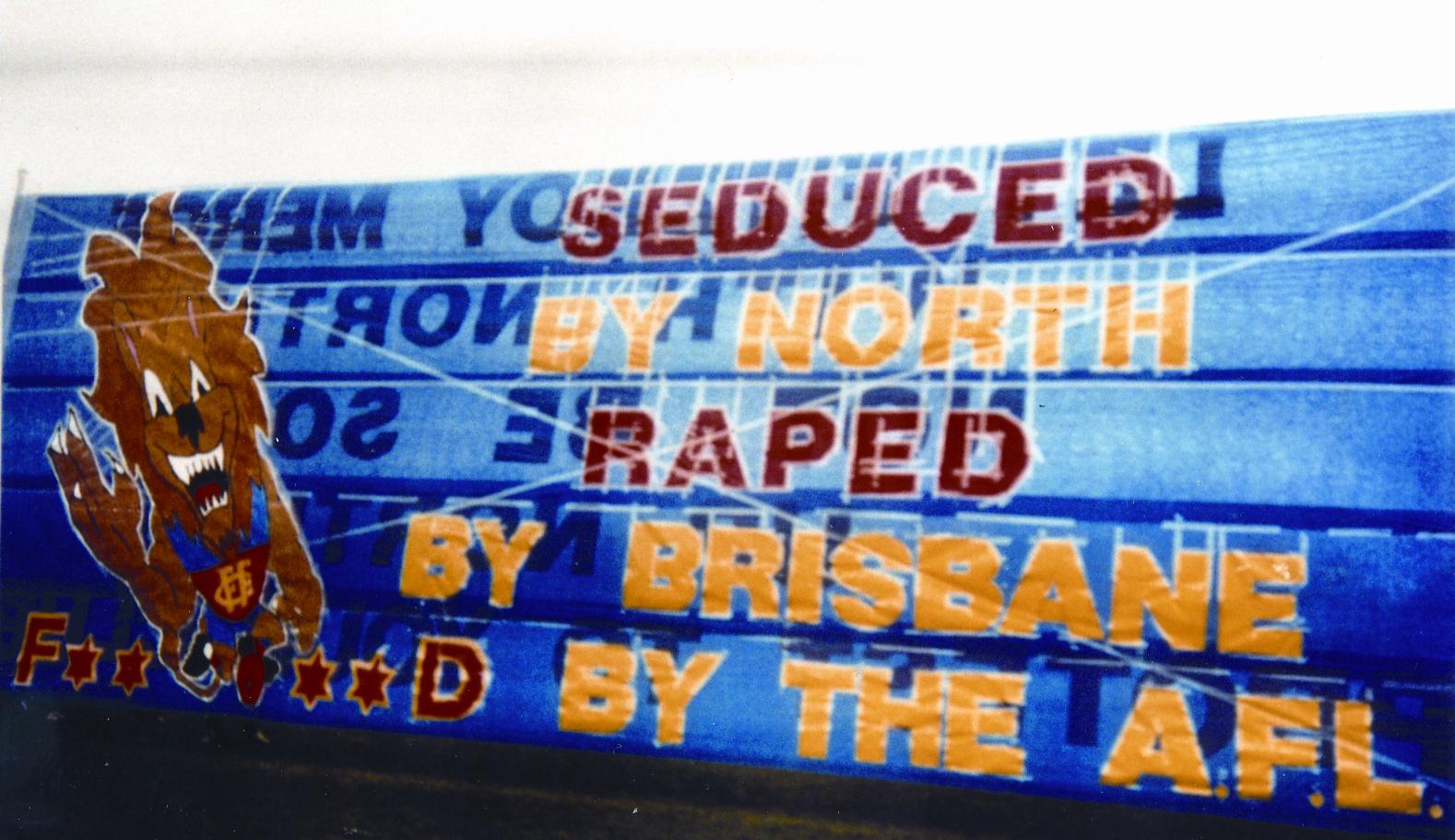
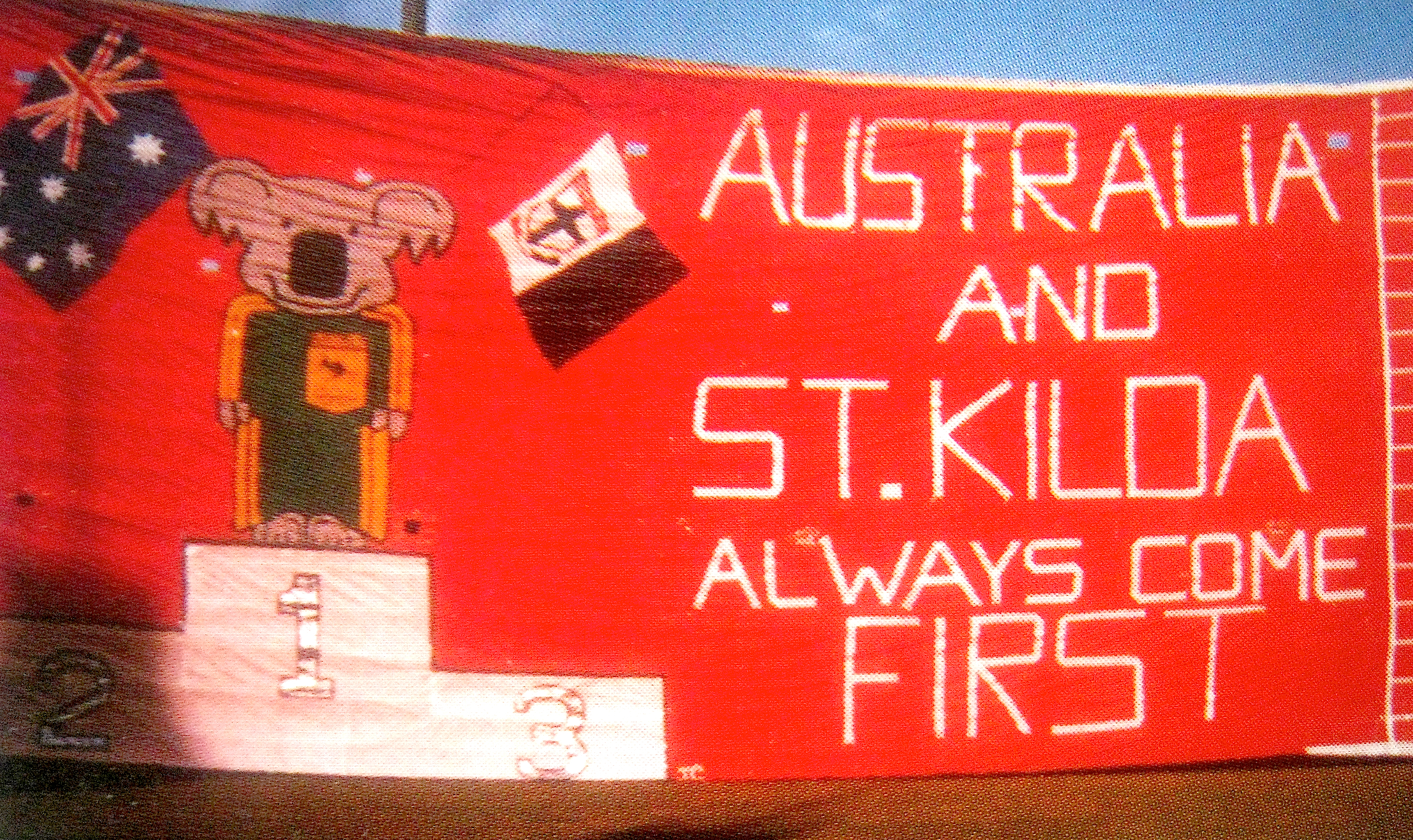
Let’s kick things off with some funny ones. The Brisbane Bears, (a most misleading title as they weren’t based in Brisbane and their mascot, a koala, is not a bear!) were not like Melbourne league clubs. They had a private owner, played at a makeshift stadium….and it was too warm up there for footy! As such, to protect the games culture, the Melbourne cheersquad came up with this banner.
When it comes to Collingwood you either love them or the opposite. However, you must appreciate their ability to have a laugh at their own expense. This banner came a short time before they broke their 1958 premiership drought.
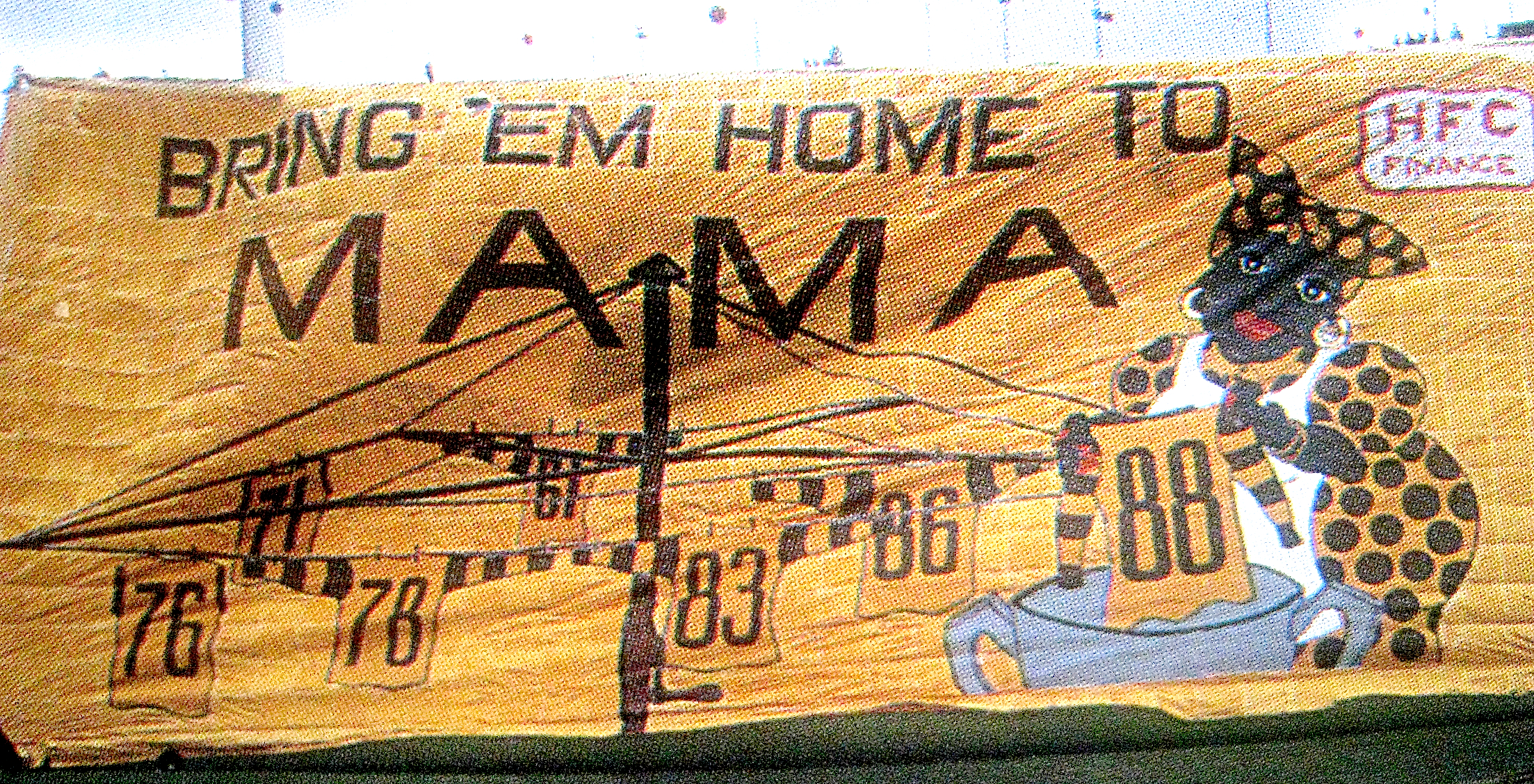
The 1980’s saw one team in particular dominate. Hawthorn played in seven consecutive grand finals from 1983-1989, winning four flags along the way. They followed this with another flag in 1991. They expected success. Their grand final cheersquad’s banners give evidence of that. The following banners are cocky yet clever….and very artistically put together.
“For what we are about to receive may the Lord make us truly thankful” 1985 Grand final, a loss.


Cheersquads have long used their banners to send political or social messages, however this had been heavily curtailed after a certain banner that appeared and displeased the AFL in 1996.

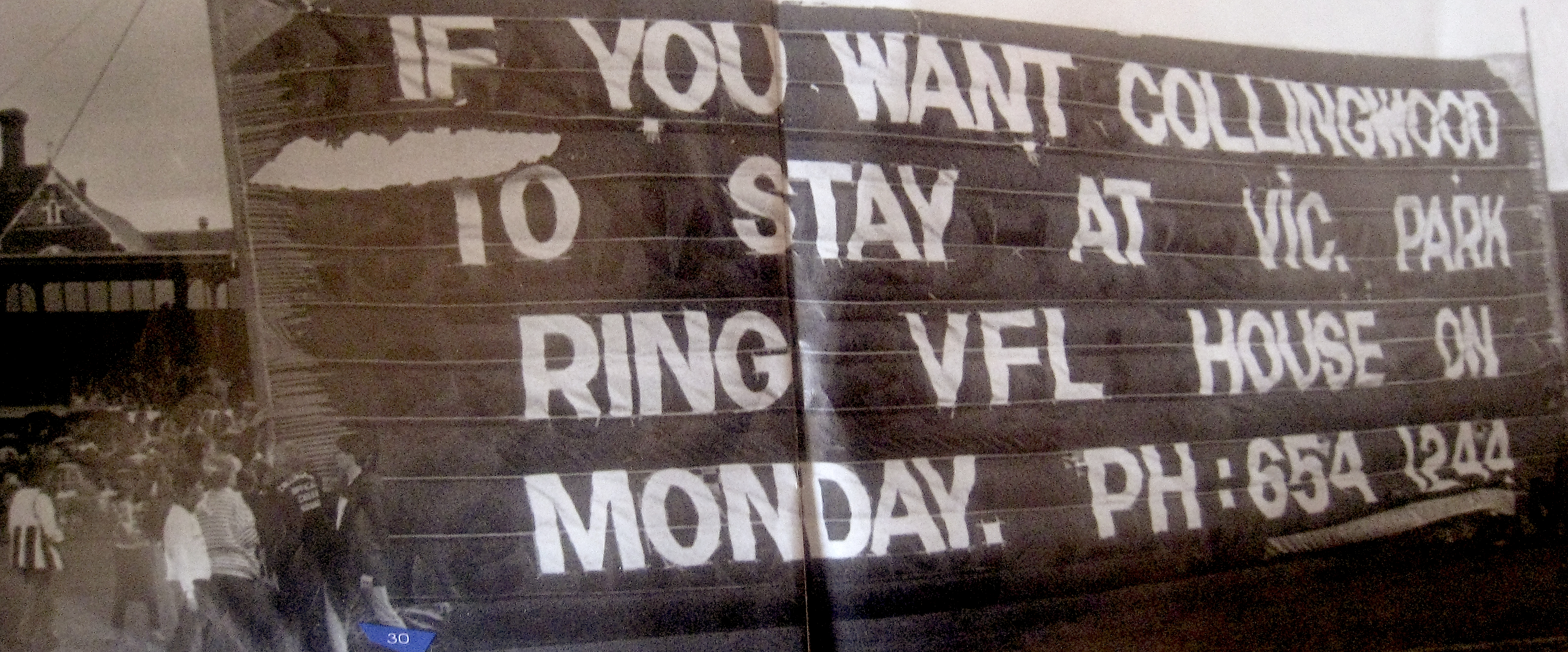
On the occasion below, people power ruled the day, and according to the book, VFL headquarters lines were jammed for hours!

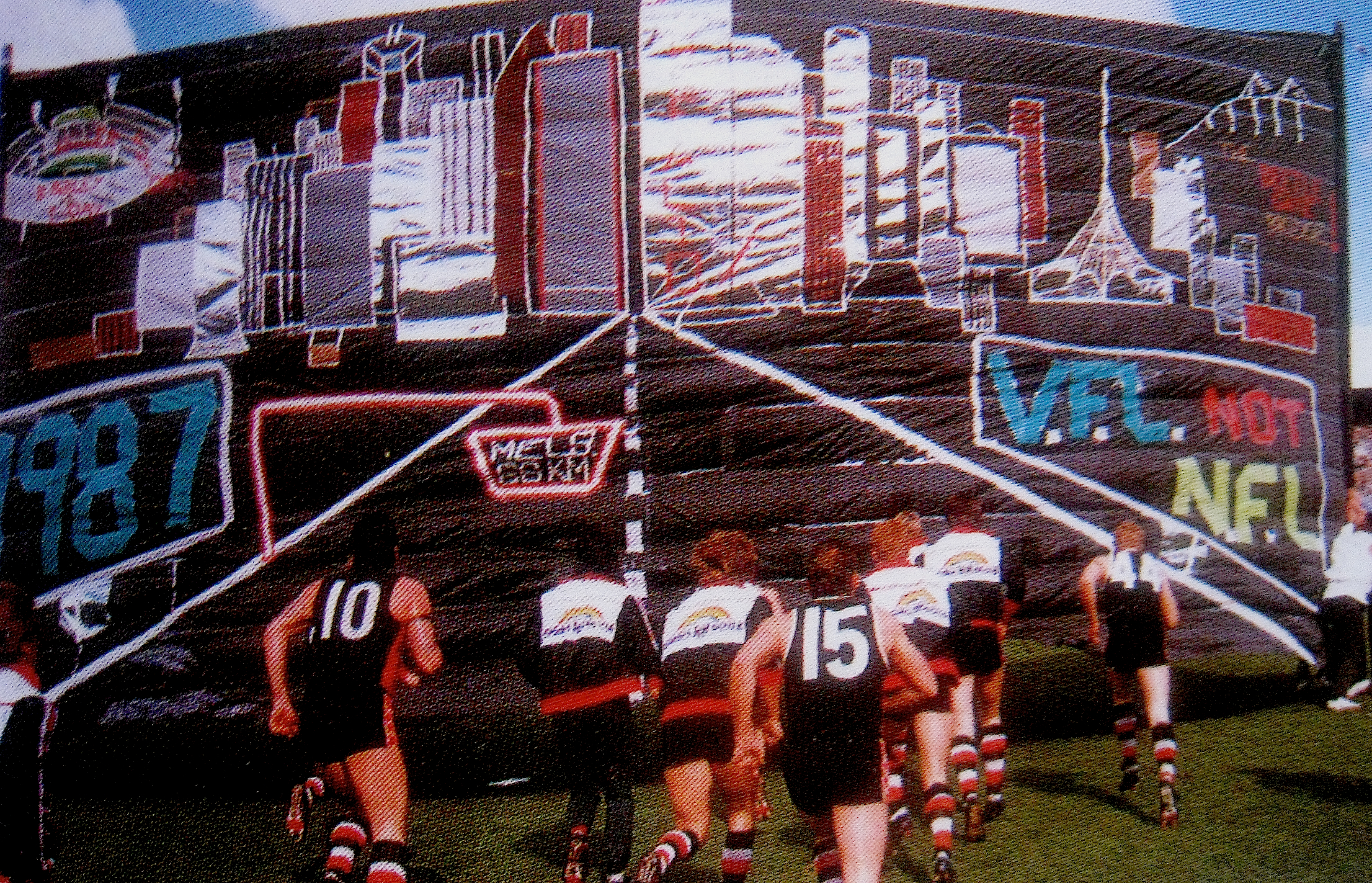
 Around the same time as ground rationalisation, the national competitions rugged beginnings also pulled at the heartstrings of supporters. St.Kilda, who were one of many teams rumoured to be relocating or even folding, had this message for the then VFL.
Economics forced the Collingwood cheersquad to think outside the box, asking fans to fill out a coupon in the Herald-Sun and send it in to the club. The overwhelming response saw a ‘double-banner’, seen below.
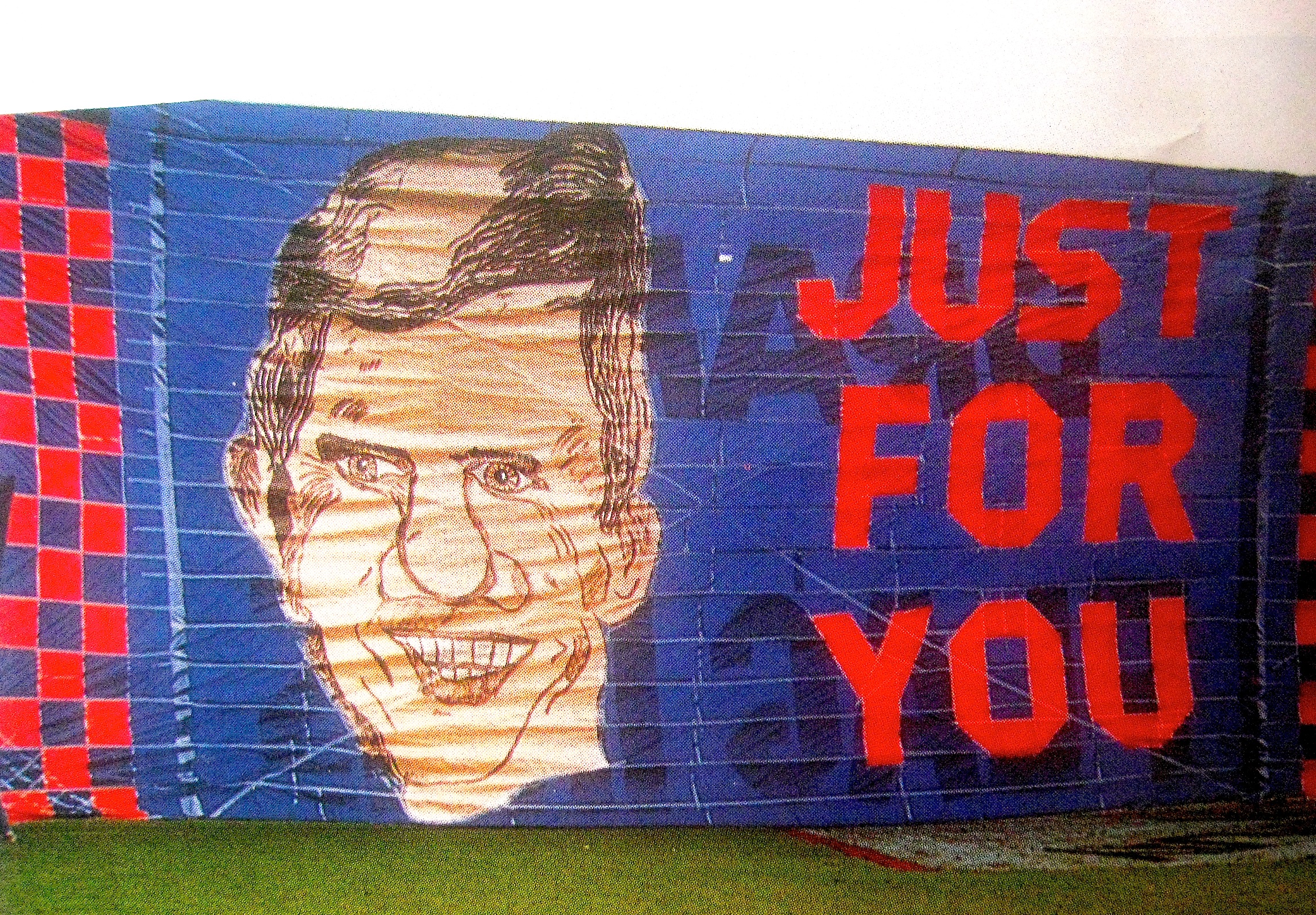
Melbourne journeyed to Footscray for the final home and away round of 1987. It is still a round remembered for going right down to the wire in relation to finals spots, and had Melbourne lost, it would have been club legend Robert Flower’s final game. As it turned out, the Dees got up, yet the cheersquad should be commended for it’s forward planning. What they should not be commended for however is the appalling bald spot they bestowed upon their club legend. Whilst not blessed with lustrous locks, he certainly didn’t take to the field with a bizarre looking combover.
Another cheersquad to have had a ‘seniors’ moment was that of St.Kilda. Obviously taken with the Olympic games of 1984, this banner gives us a rather inflated view of the footballing world as we know it.
With so many more banners to show you than can fit in this post, I will now show you a few more of my favourites. The first one is obvious. It’s my club. But there’s a distinct Melbourne verses Sydney theme happening here also.
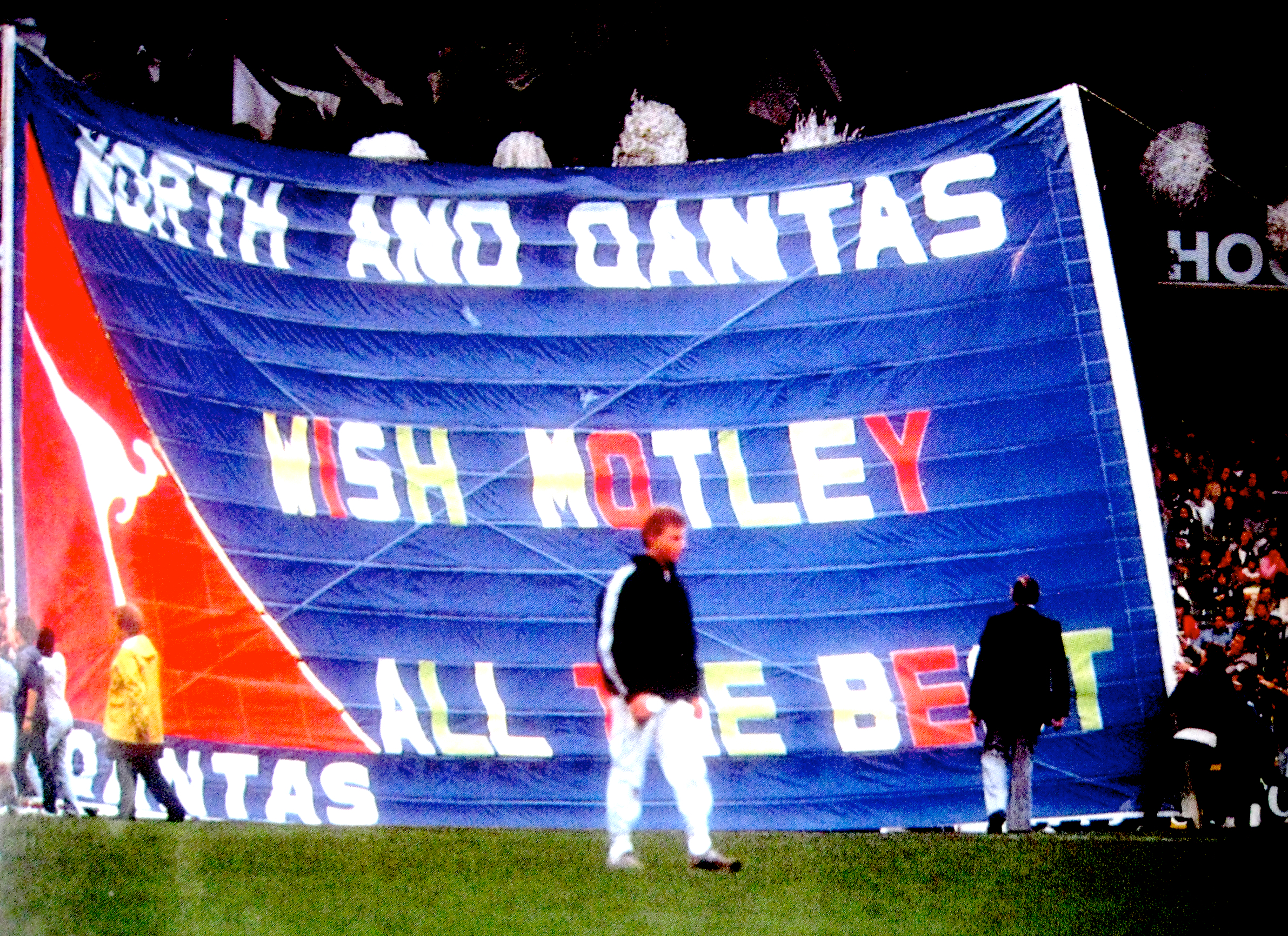
The photograph below strikes me on a number of levels. Firstly, as Pete Motley was a Carlton player tragically injured in a car accident which ended his playing career, to see an opposition club devote one side of their banner is touching. Secondly, in the background we see the rest of the North cheersquad sitting and the darkened second tier of the old souther stand. I loved it up there.
Finally I will leave you with this… two bald blokes who both coached Richmond. Allan Jeans & KB, struggling through ‘that’ banner!